

Unsere Historie
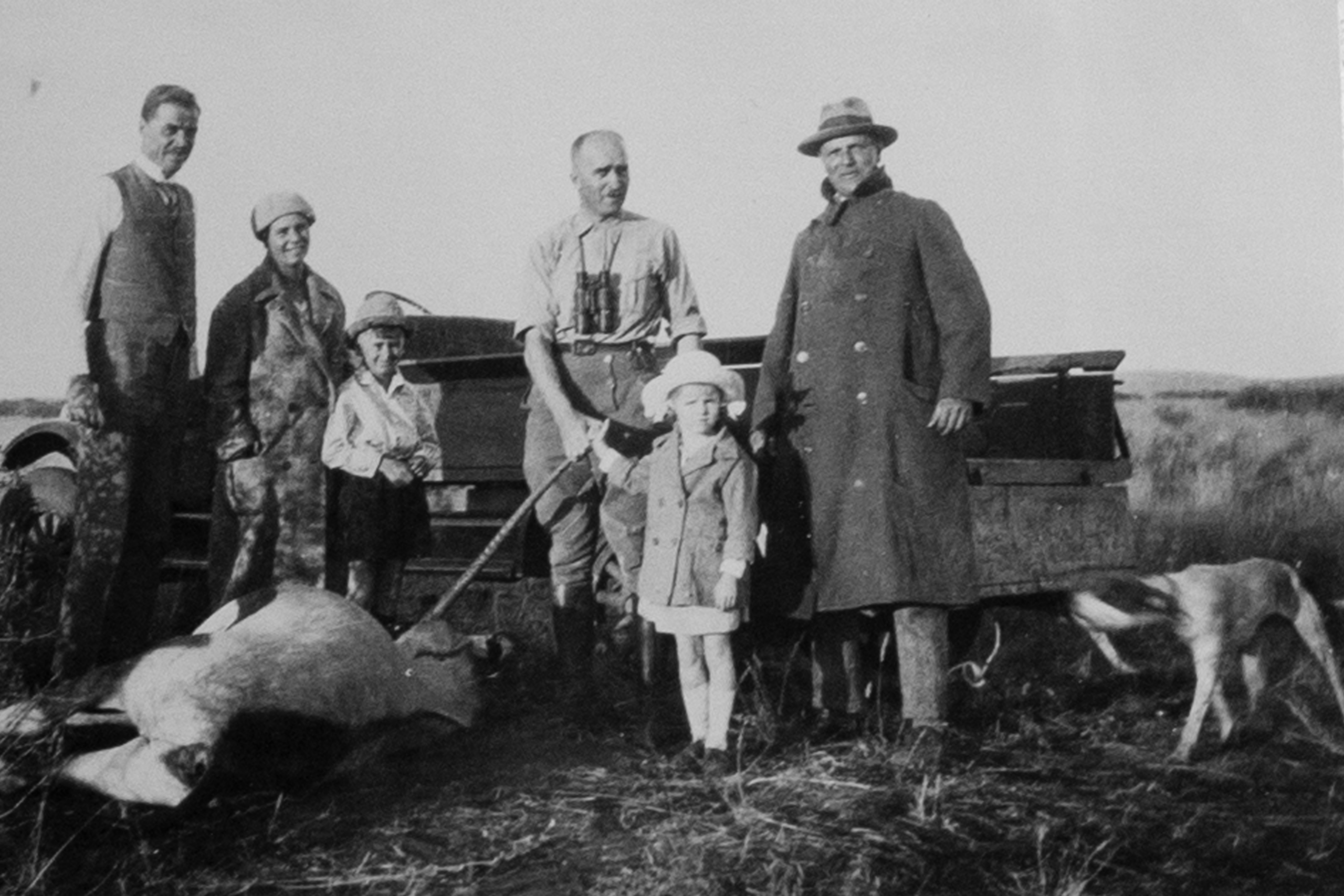
1. Generation
1910 beginnt unsere Geschichte im heutigen Namibia, damals deutsche Kolonie. In der Kalahari legte Hans Lühl unter nicht einfachen Bedingungen den Grundstein – geprägt von Pioniergeist, harter Arbeit und einem Leben im Einklang mit der Natur.
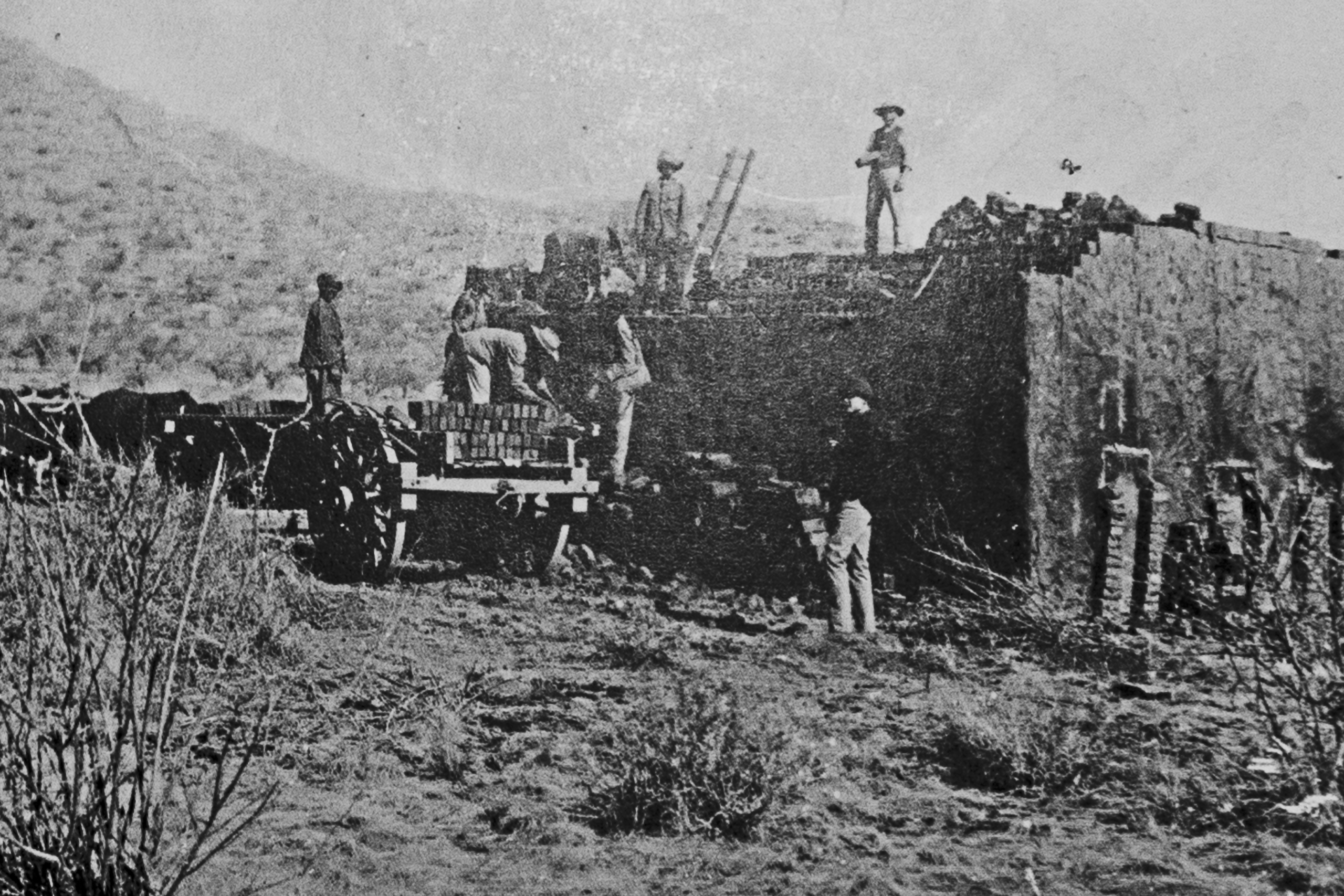
Stein für Stein
Mit einfachen Mitteln und viel harter Arbeit entstand das erste Farmhaus in der Kalahari. Stein für Stein wurde hier der Grundstein für ein dauerhaftes Zuhause gelegt – gebaut für Generationen.
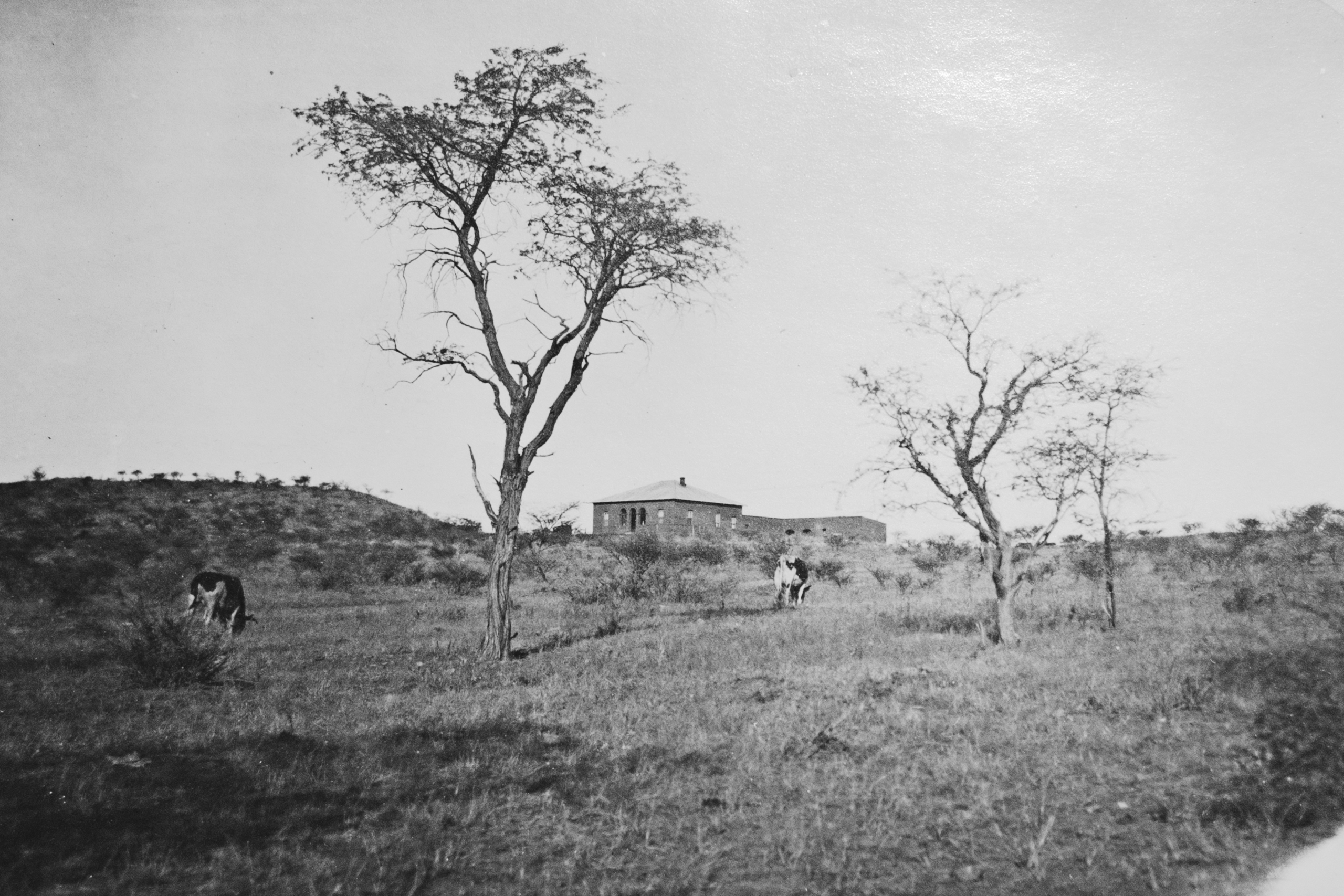
Fertigstellung der fARM
Nach harter Arbeit war das Farmhaus in der Kalahari vollendet. Mitten in der weiten Landschaft entstand ein Zuhause – einfach, beständig und bereit für die kommenden Generationen.
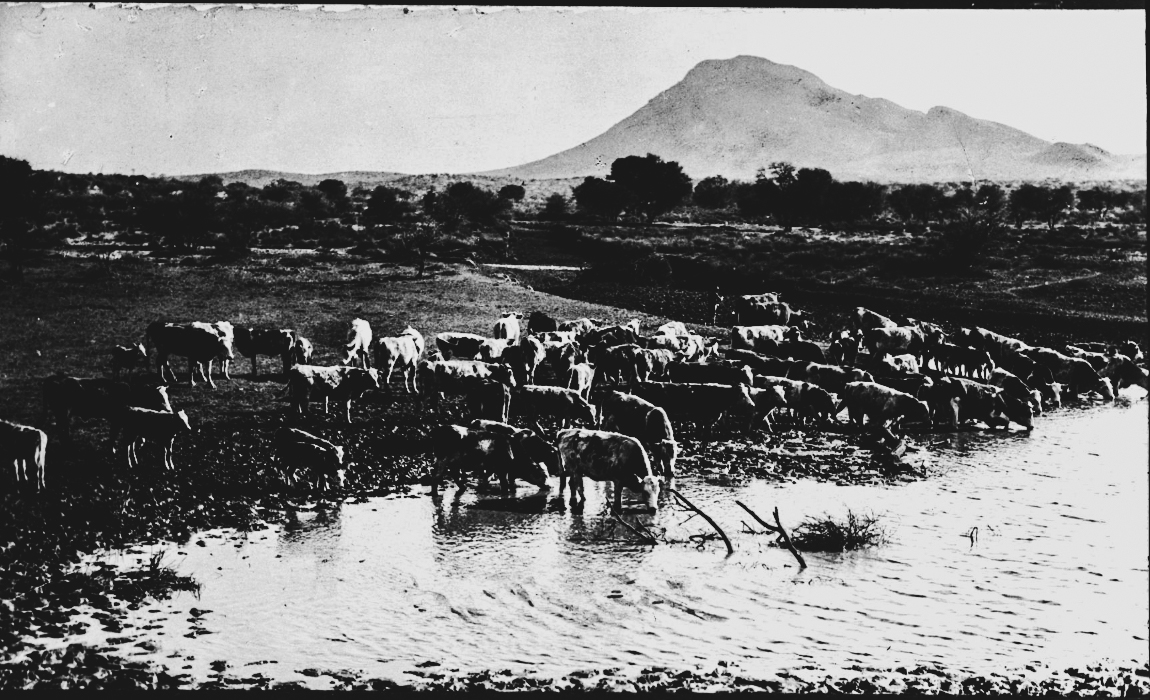
Beginn der Rinderzucht
Ein Jahr nach Fertigstellung des Farmhauses begann in der Kalahari der Aufbau der Rinderzucht. Sie wurde zur wichtigen Lebensgrundlage und prägte fortan das Leben auf der Farm.
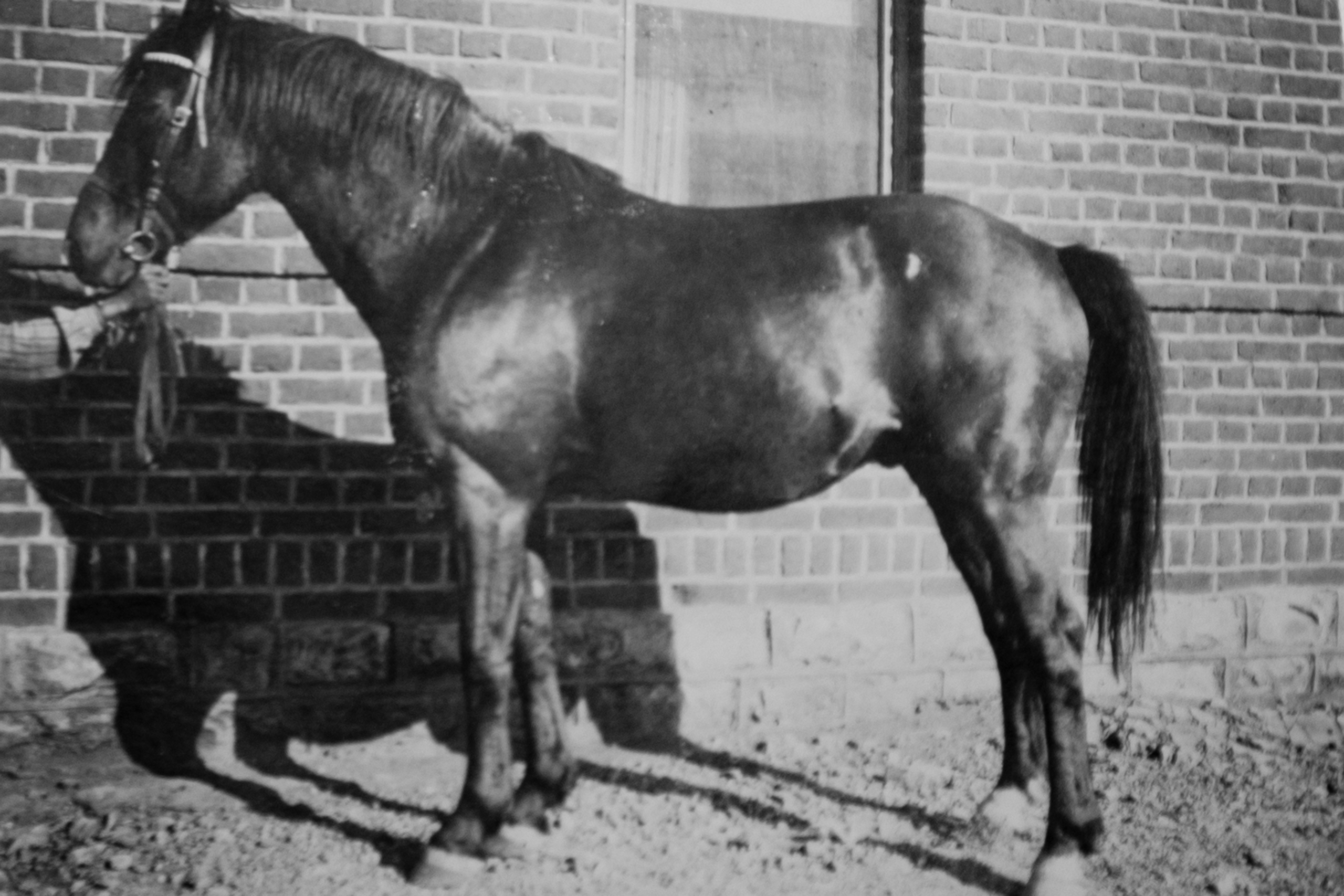
Pferde für den Kaiser
Bereits 1911 begann die Pferdezucht in der Kalahari. Die Tiere wurden unter anspruchsvollen Bedingungen aufgezogen und standen sinnbildlich für Qualität, Ausdauer und die enge Verbindung zur damaligen Zeit.
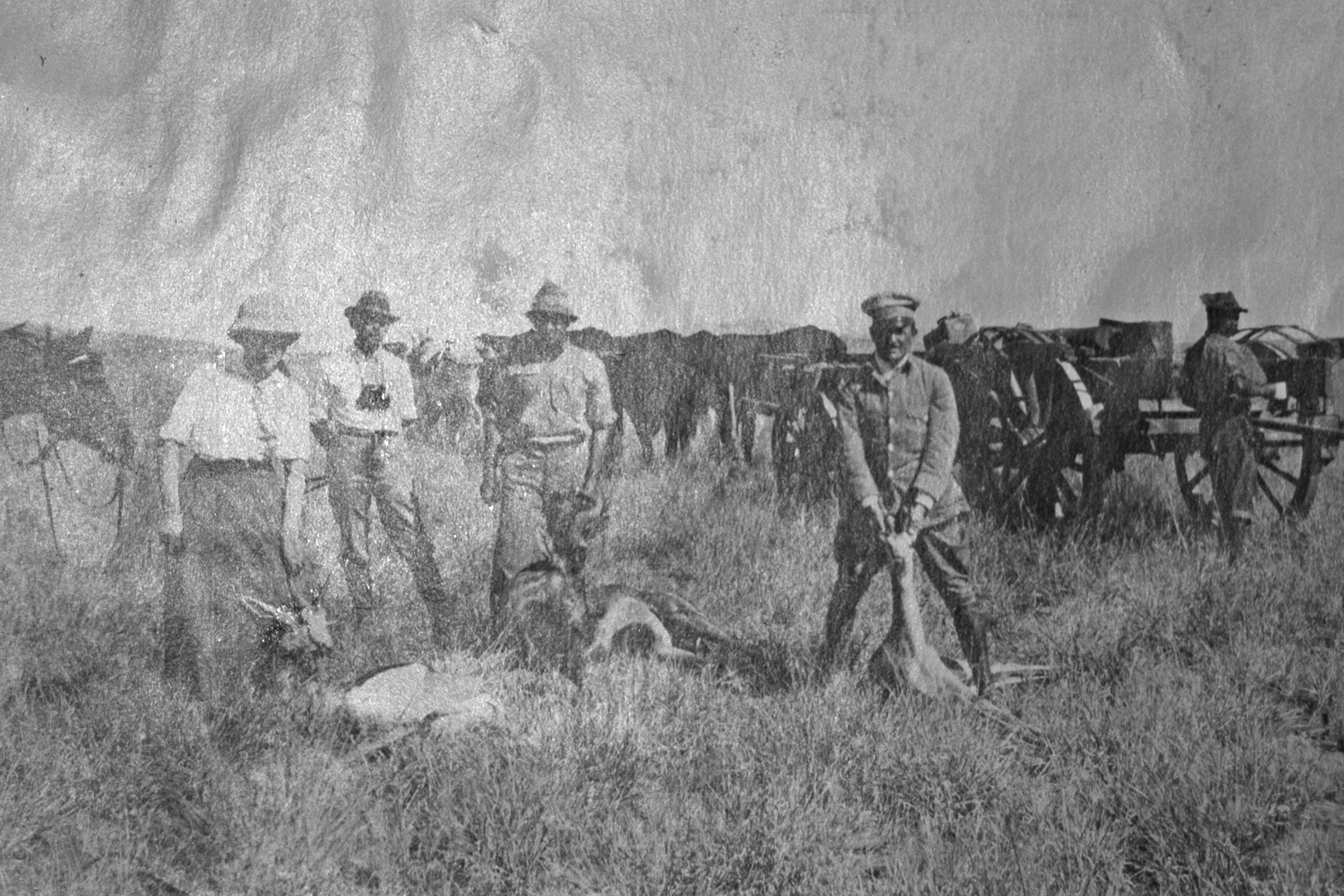
Die erste Gäste Jagd
Ab 1915 empfing die Farm in der Kalahari die ersten Jagdgäste. Damit begann eine neue Tradition der Gastfreundschaft, die bis heute ein Teil unserer Geschichte ist.
2. Generation
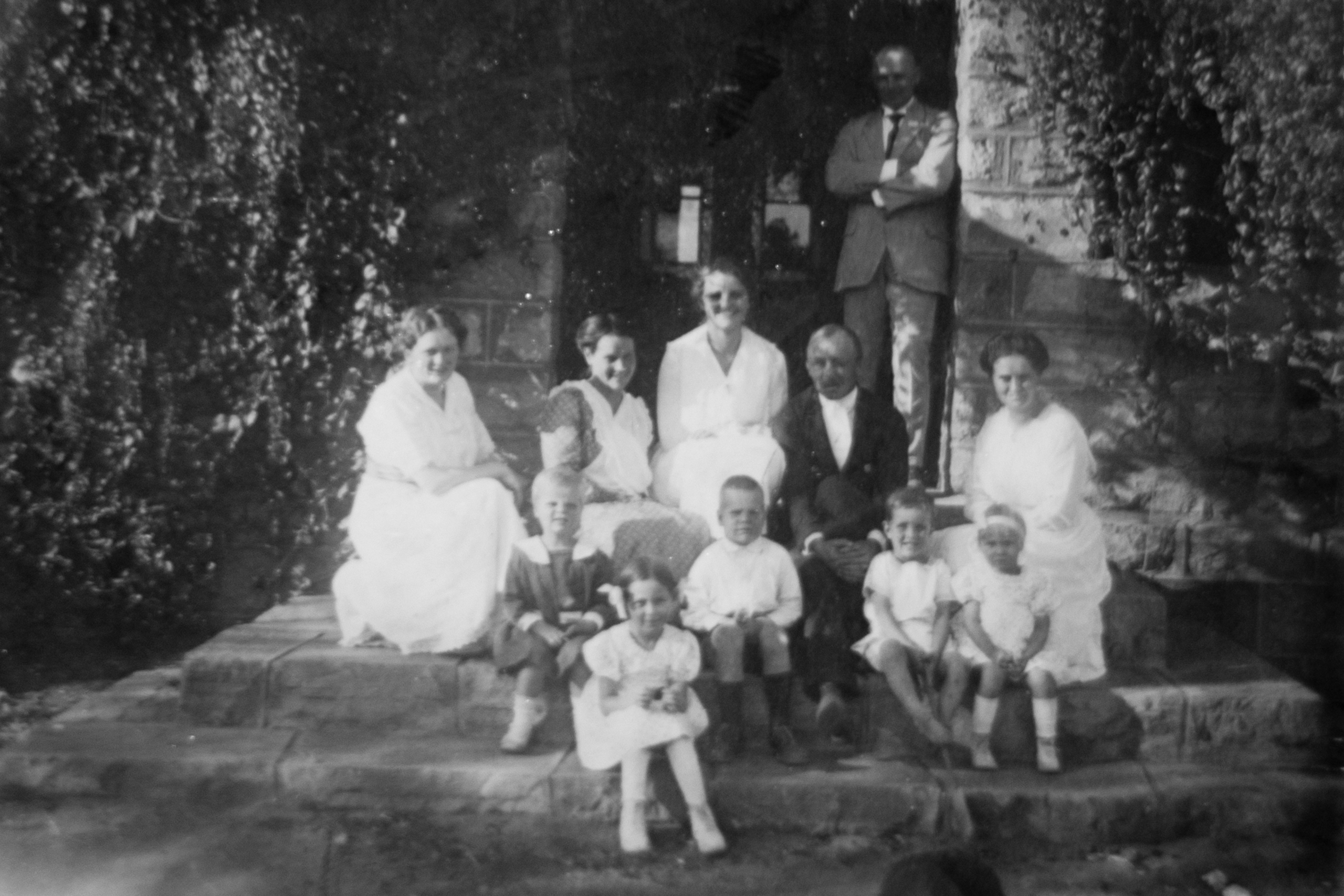
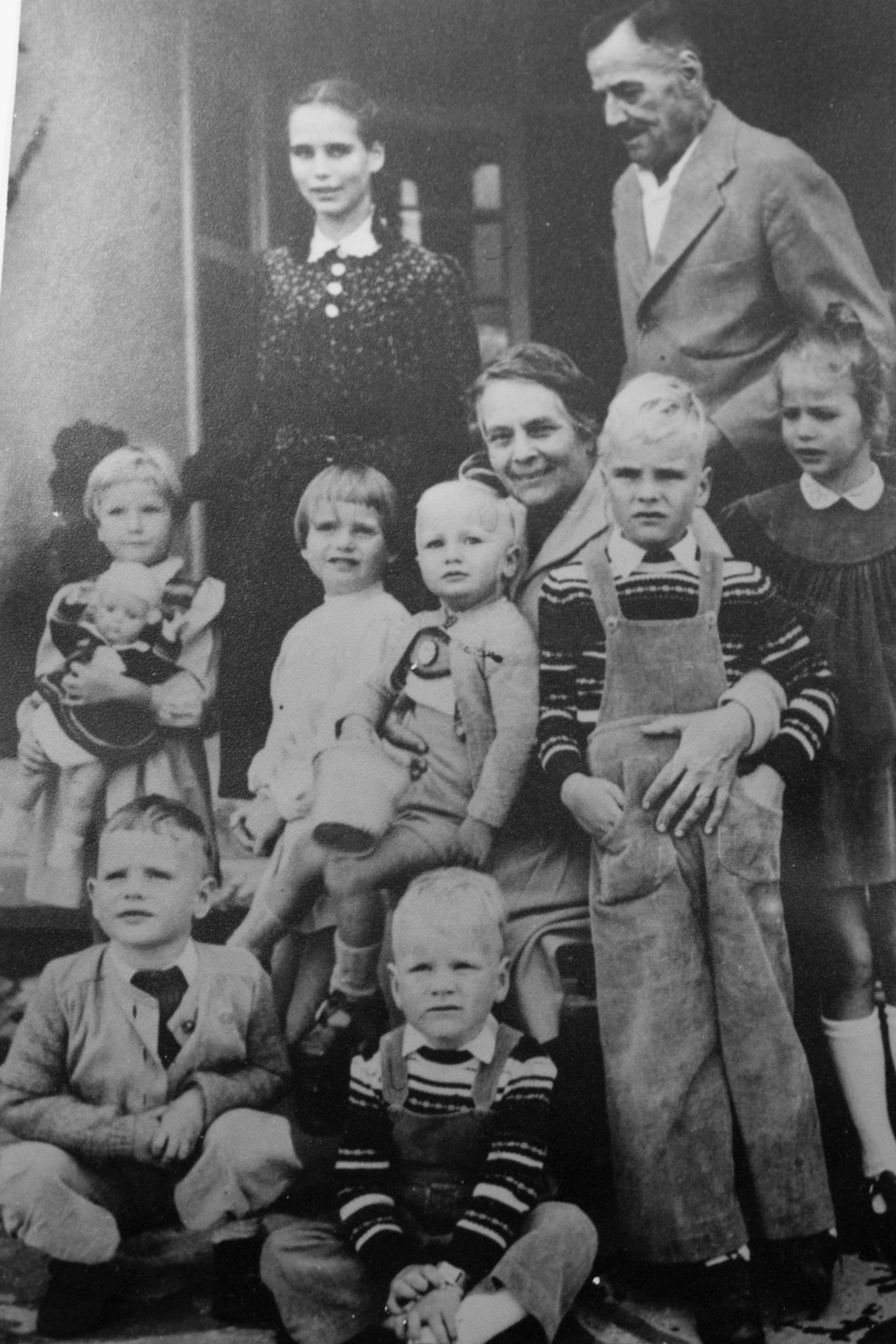
Die nächste Generation wächst heran: Die ersten Kinder der Familie erleben das Leben auf der Farm von Anfang an. Zwischen Weite, Arbeit und Natur entwickeln sie früh eine enge Verbindung zur Kalahari und führen die Geschichte weiter. (Hans Jochen Lühl 1914, Hilda 1915, Hans Richard 1919, Erika 1920 Hannelore 1922). Übernahme der Farm 1953 an Hans Jochen.
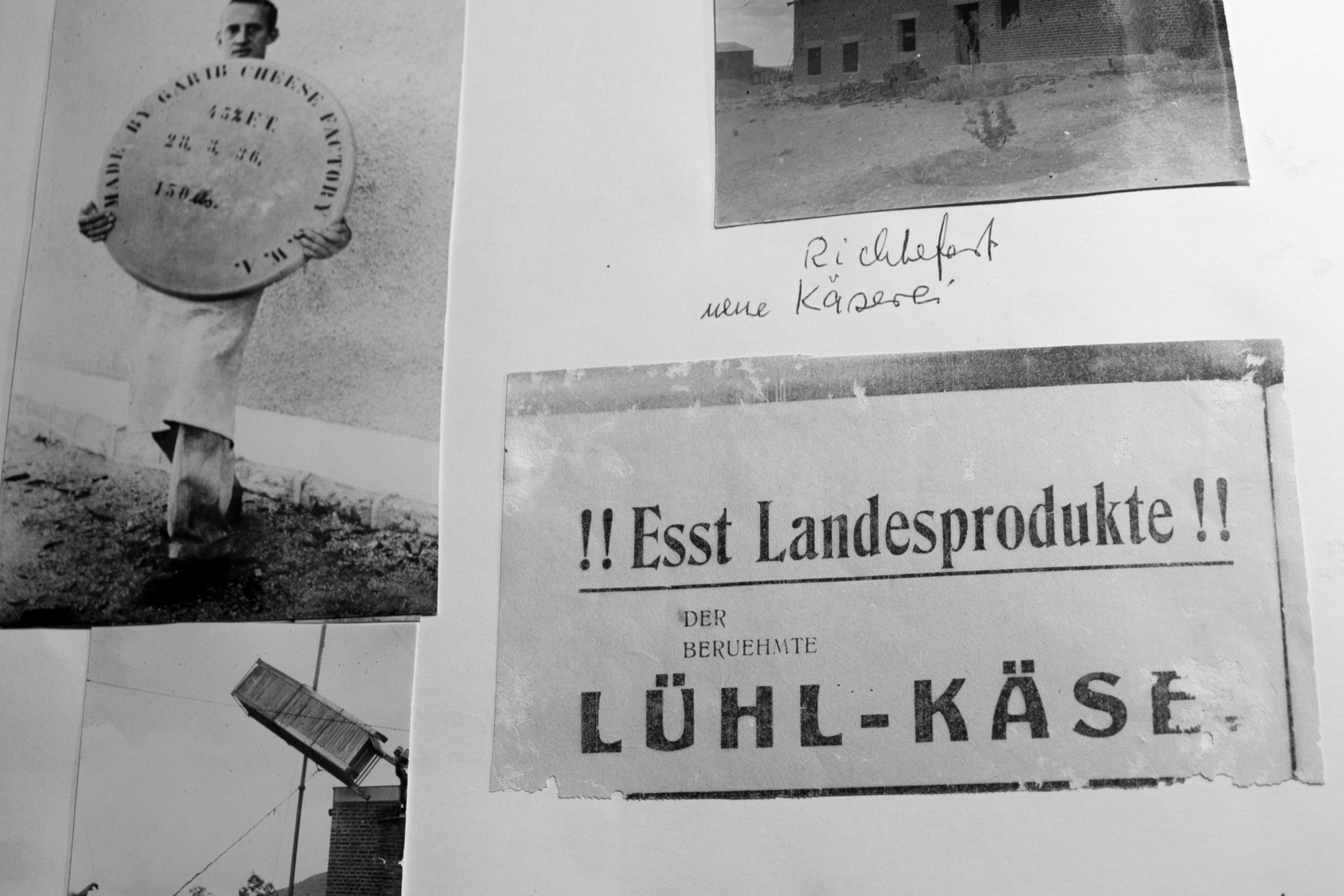
Der berühmte Lühl-Käse
Mit dem Bau der Käserei begann 1934 ein neuer Abschnitt auf der Farm in der Kalahari. Aus eigener Produktion entstand der „Lühl-Käse“, der erfolgreich vermarktet wurde und für Qualität aus der Region stand.
3. Generation
Die dritte Generation wächst heran – noch als Kinder, aber bereits Teil des Farmlebens. Gemeinsam mit der zweiten Generation erleben sie den Alltag in der Kalahari und führen die gewachsene Tradition Schritt für Schritt weiter. 1983 Übergabe der Farm von Hans Jochen an seine Söhne .
Die Farm aus der Luft
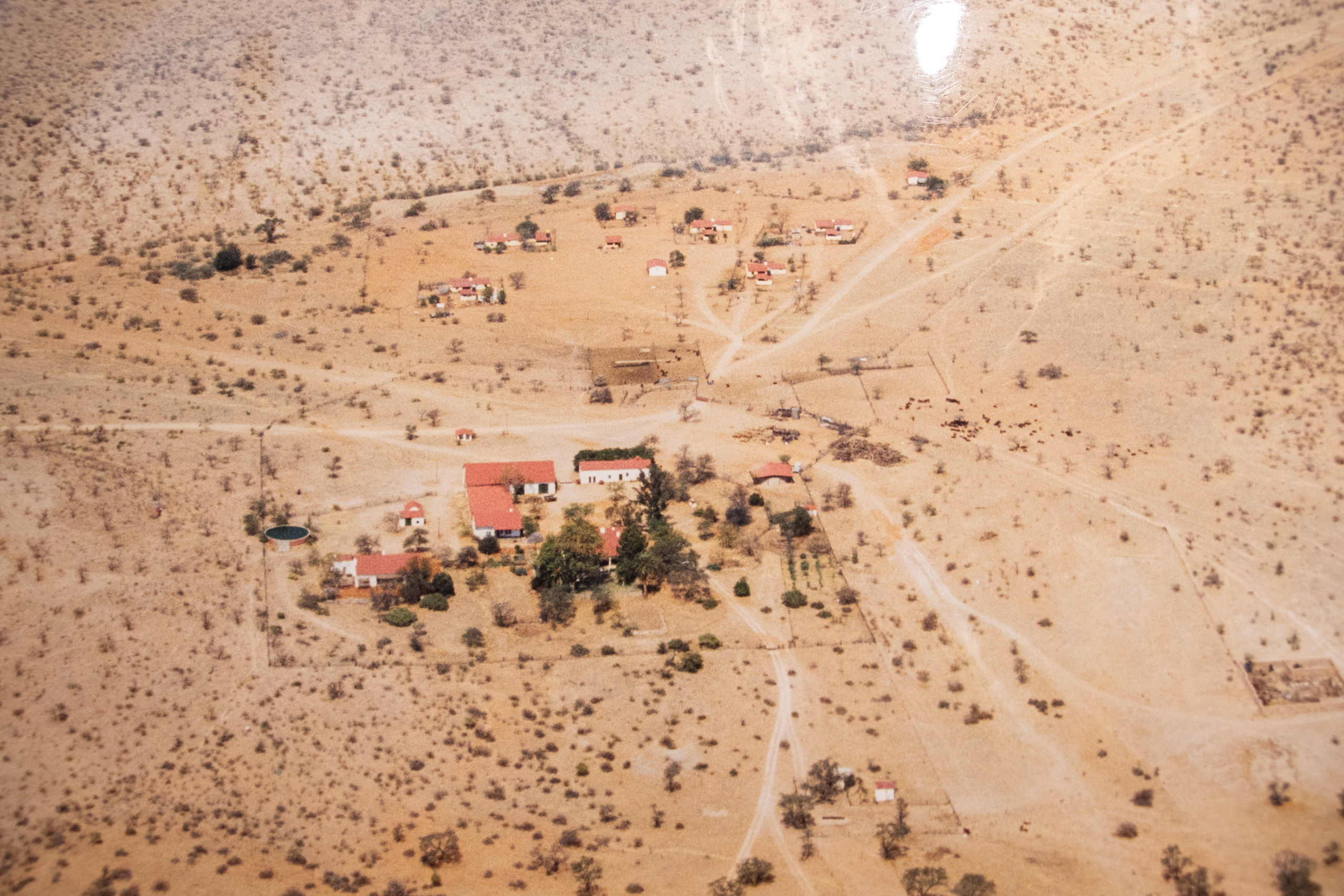
Eine Luftaufnahme aus dem Jahr 1988 zeigt die gewachsene Farm in der Kalahari. Über Generationen hinweg ist aus den ersten Anfängen ein weitläufiger Betrieb entstanden – sichtbar in seiner ganzen Größe und Struktur.
4. Generation
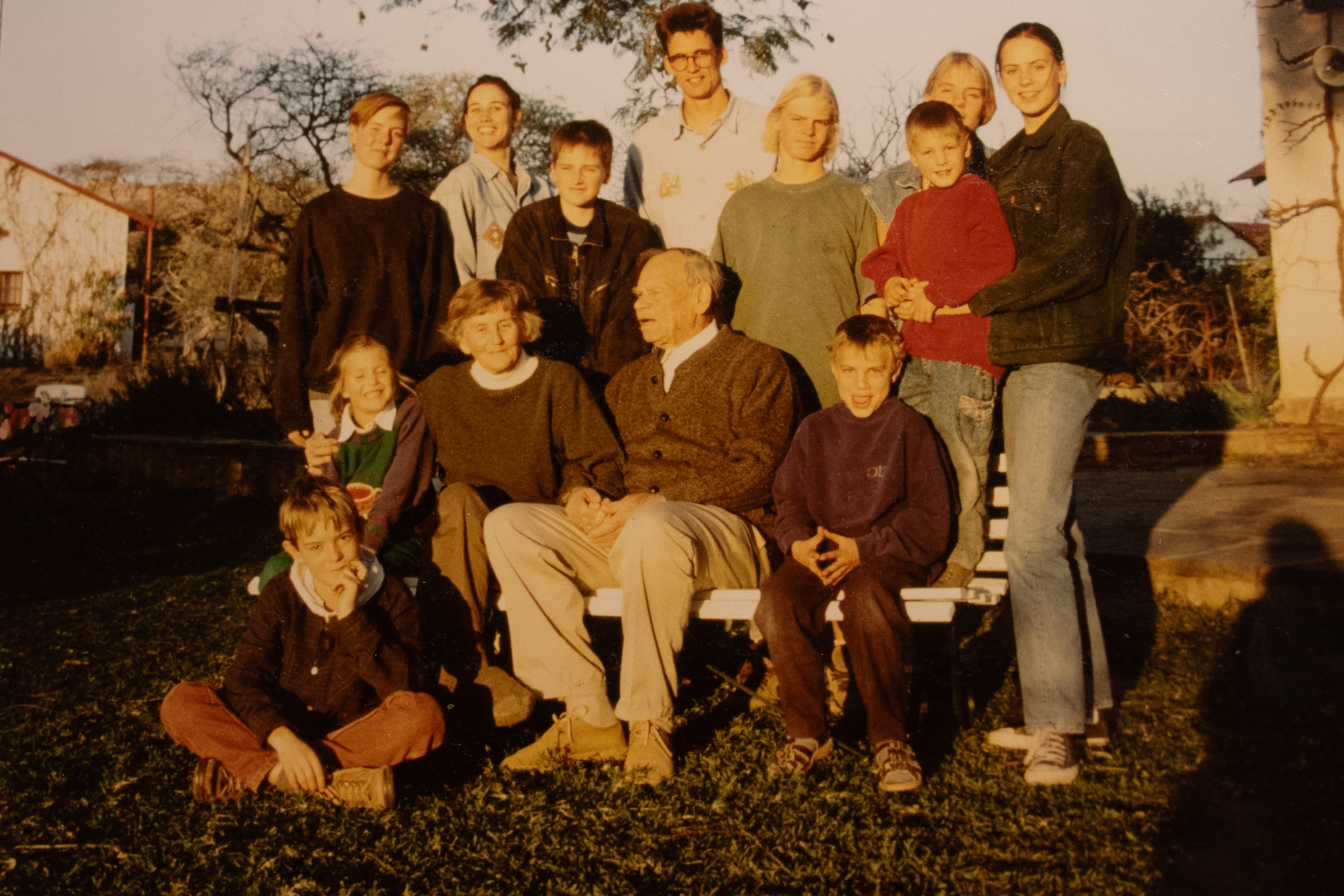
Die vierte Generation tritt in jugendlichen Jahren hervor. Gemeinsam mit der dritten Generation übernimmt sie zunehmend Verantwortung und prägt die Zukunft der Farm in der Kalahari.
5. Generation
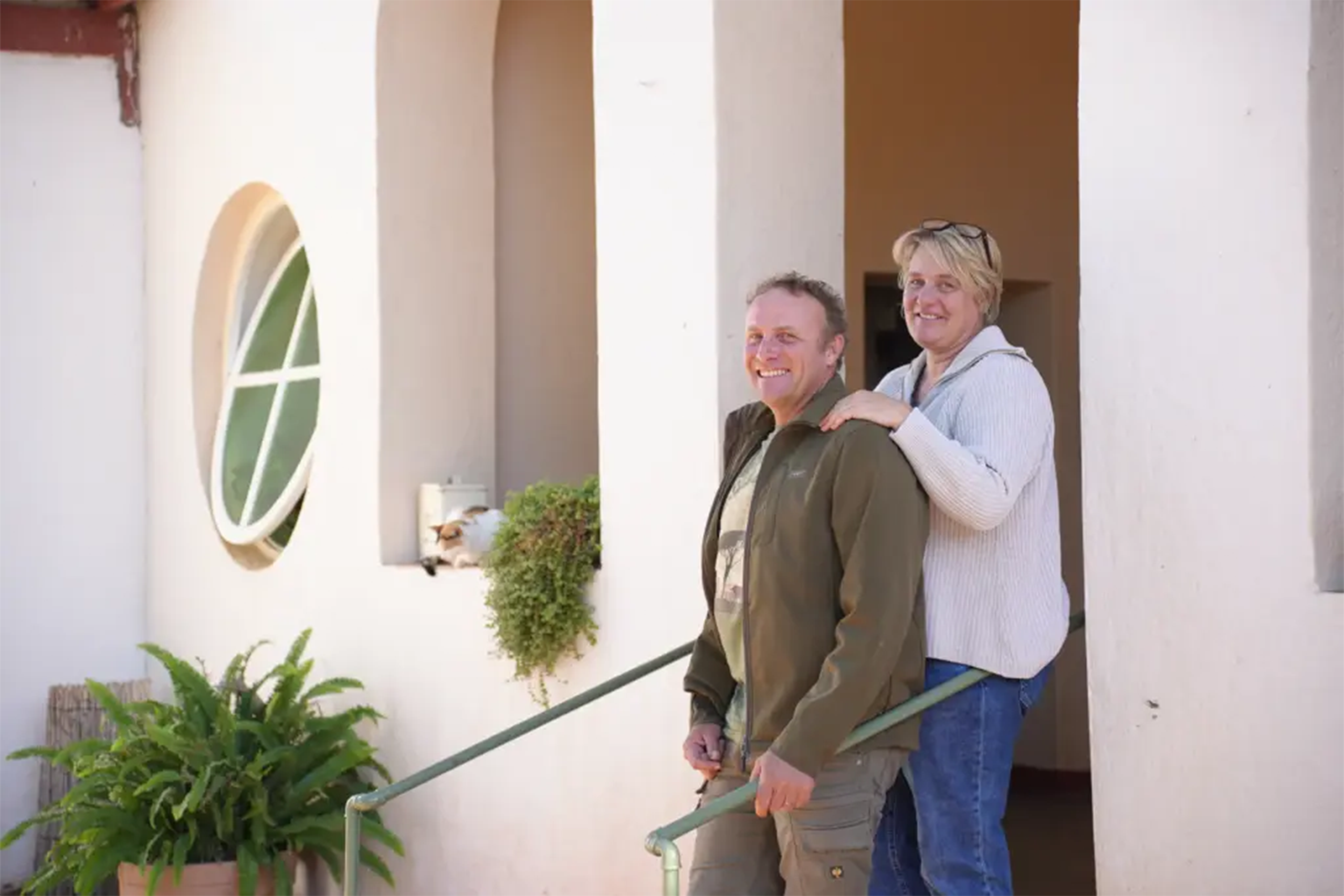
Mit der vierten Generation übernimmt Jule Hess, geborene Lühl, gemeinsam mit ihrem Mann Sigurd Hess die Verantwortung für die Farm. Mit viel Engagement führen sie die Tradition weiter und entwickeln den Betrieb zugleich zeitgemäß weiter. Unter ihrer Leitung bleiben Rinderzucht, Kohleproduktion und Jagd zentrale Bestandteile, während ihre zwei Kinder bereits in das Leben auf der Farm hineinwachsen – als nächste Generation einer langen Geschichte.
Bis Heute
Bis heute wird die Farm Garib von Generation zu Generation weitergeführt. Rinderzucht, Kohleproduktion und Jagd sind nach wie vor feste Bestandteile des Betriebs – verbunden mit Erfahrung, Verantwortung und dem Blick in die Zukunft.
Lorem ipsum dolor sit amet, for consetetur sadipscing elitr