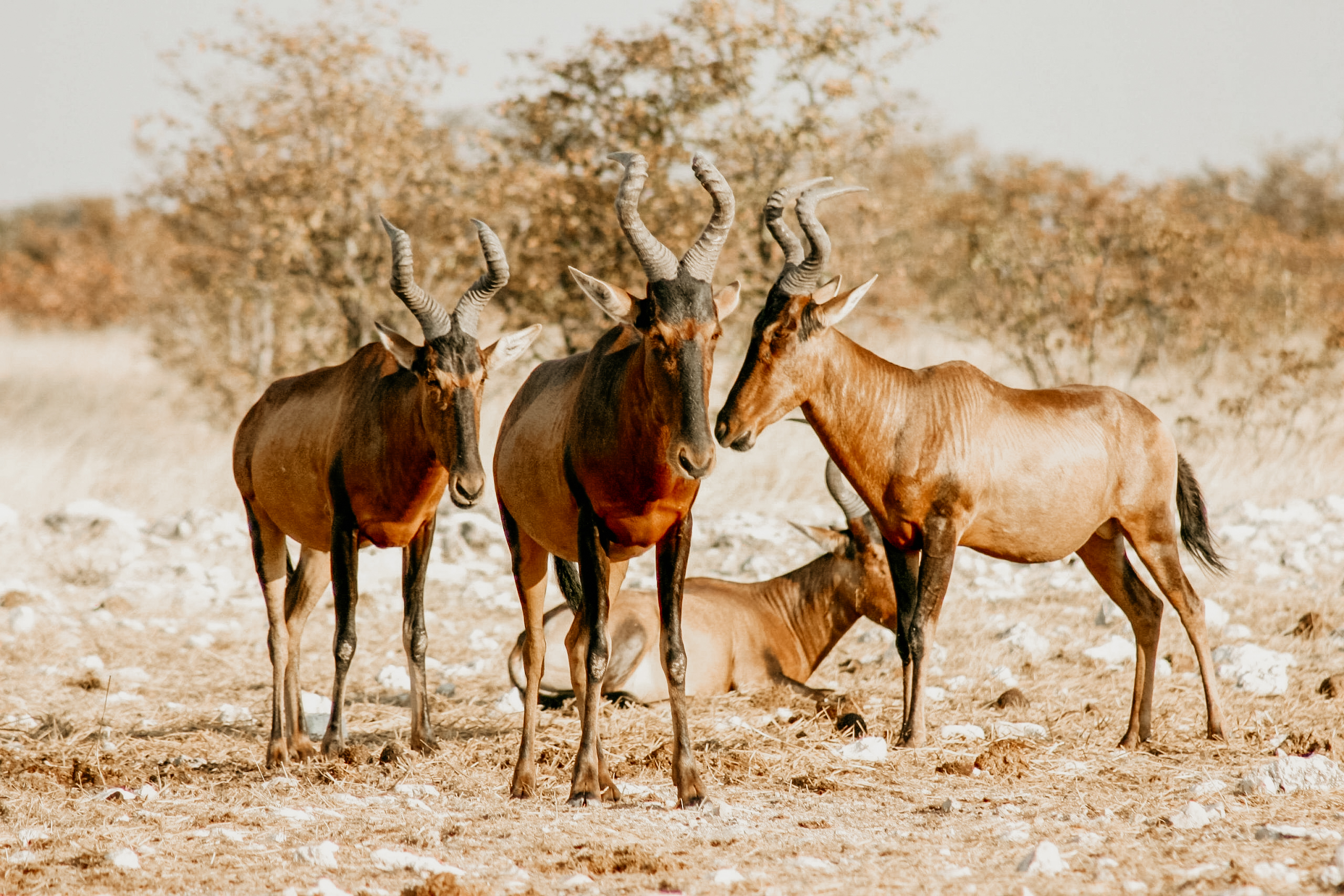
The hartebeest is a large antelope native to the savannahs of Africa. It has a long, distinctive head and curved horns. Hartebeest usually live in herds and feed mainly on grass. They are fast, agile animals and are well adapted to dry habitats.
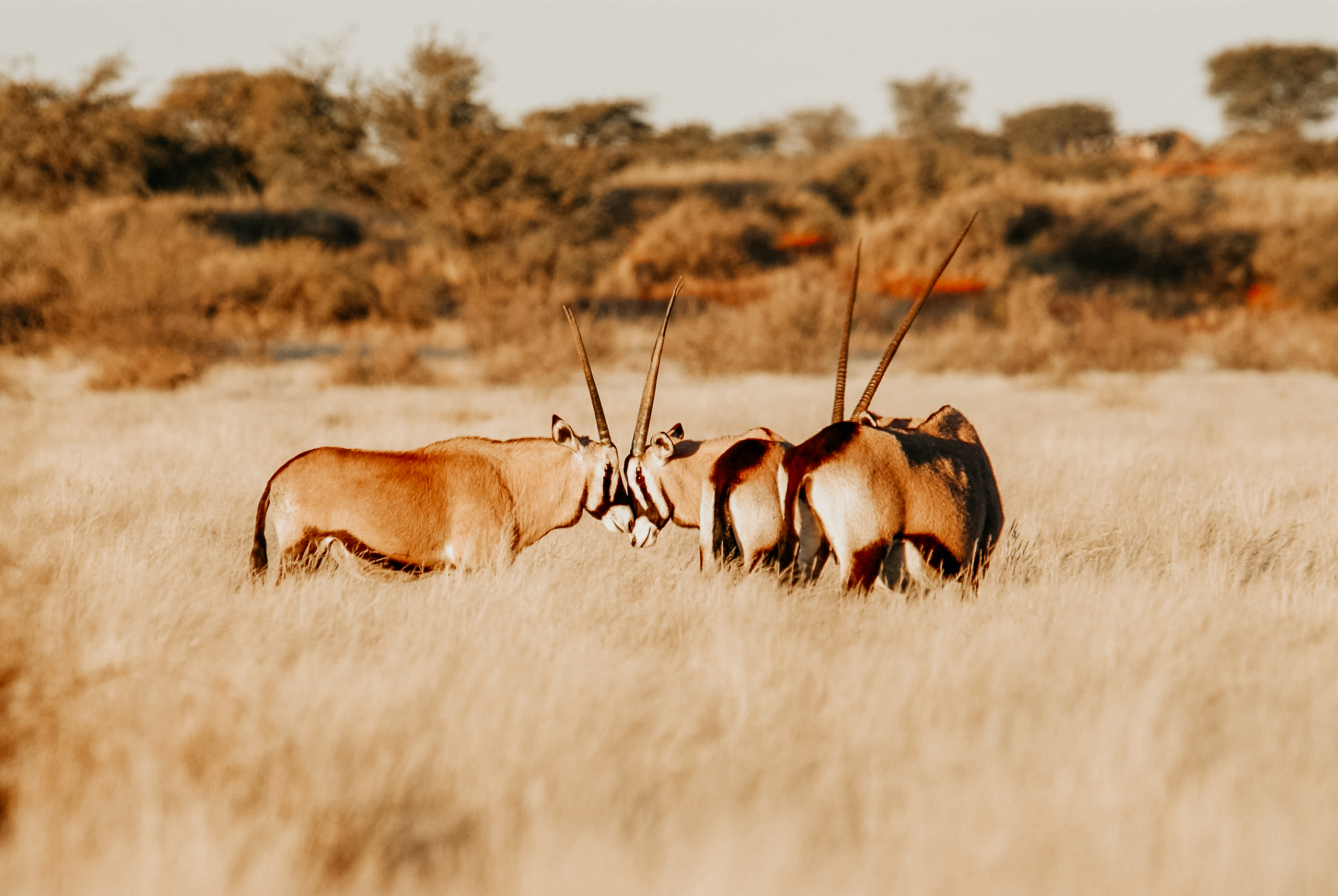
The oryx is a large antelope found in the dry deserts and savannahs of Africa. It is easily recognised by its long, straight horns and distinctive black-and-white facial markings. Oryx are exceptionally well adapted to heat and limited water availability and can survive for long periods without drinking. Their diet consists mainly of grasses, leaves and roots.
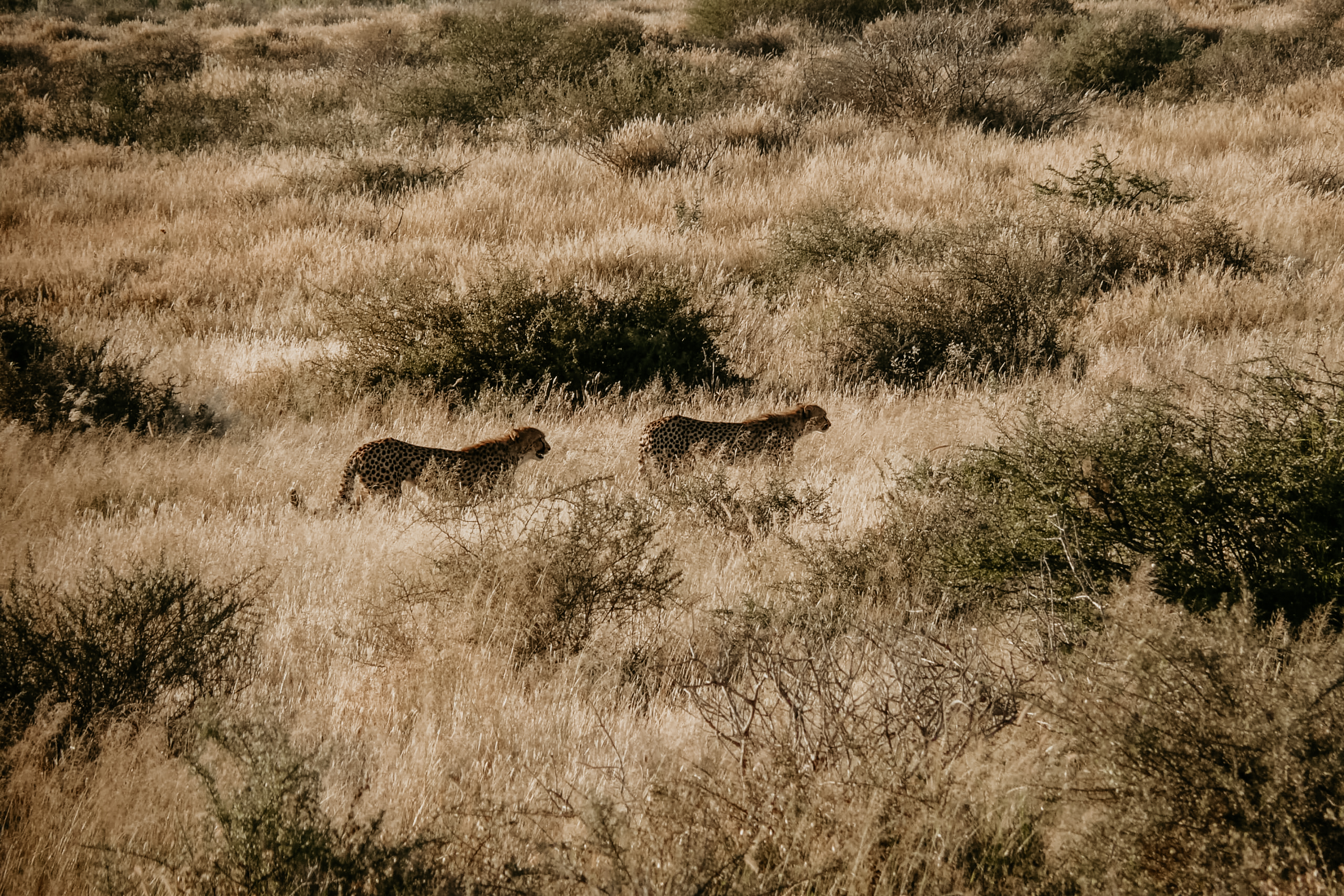
The cheetah is the fastest land animal and one of Africa’s most distinctive predators. It primarily inhabits the open savannahs and grasslands of Africa. Its slender body, long legs and characteristic black “tear marks” running from the eyes down the face are distinctive features. Cheetahs rely on short, incredibly fast sprints to pursue prey such as antelope.
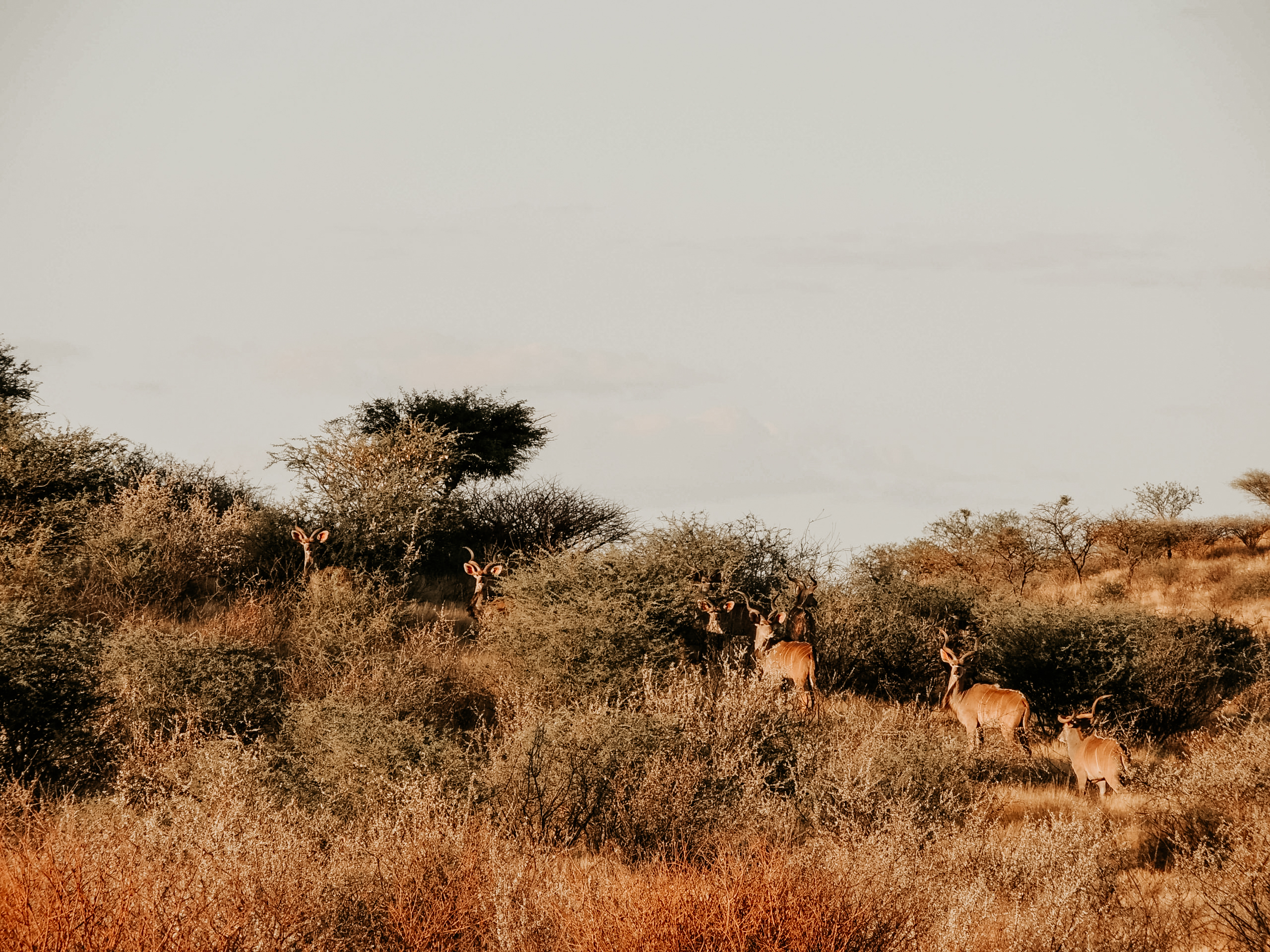
The Greater kudu is a large antelope native to Africa. Its most distinctive feature is the impressive, spiral-shaped horns of the males. Kudus primarily inhabit bushland and savannah environments and feed mainly on leaves, twigs and fruit.
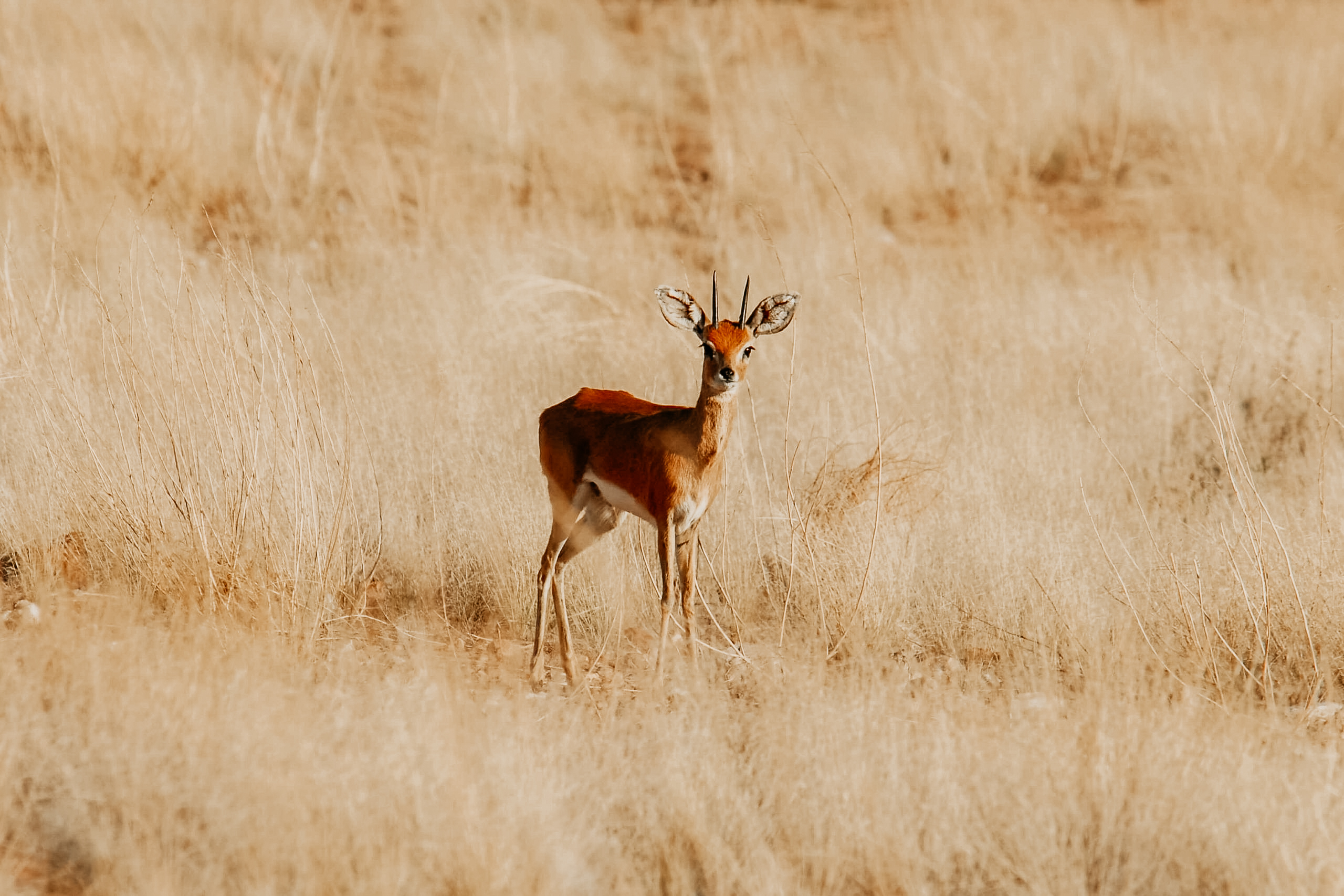
The steenbok is a small antelope native to Africa. It primarily inhabits savannahs and dry bushland. Its large ears and slender body are distinctive features. Steenbok are usually solitary and feed on grasses, leaves and other vegetation.
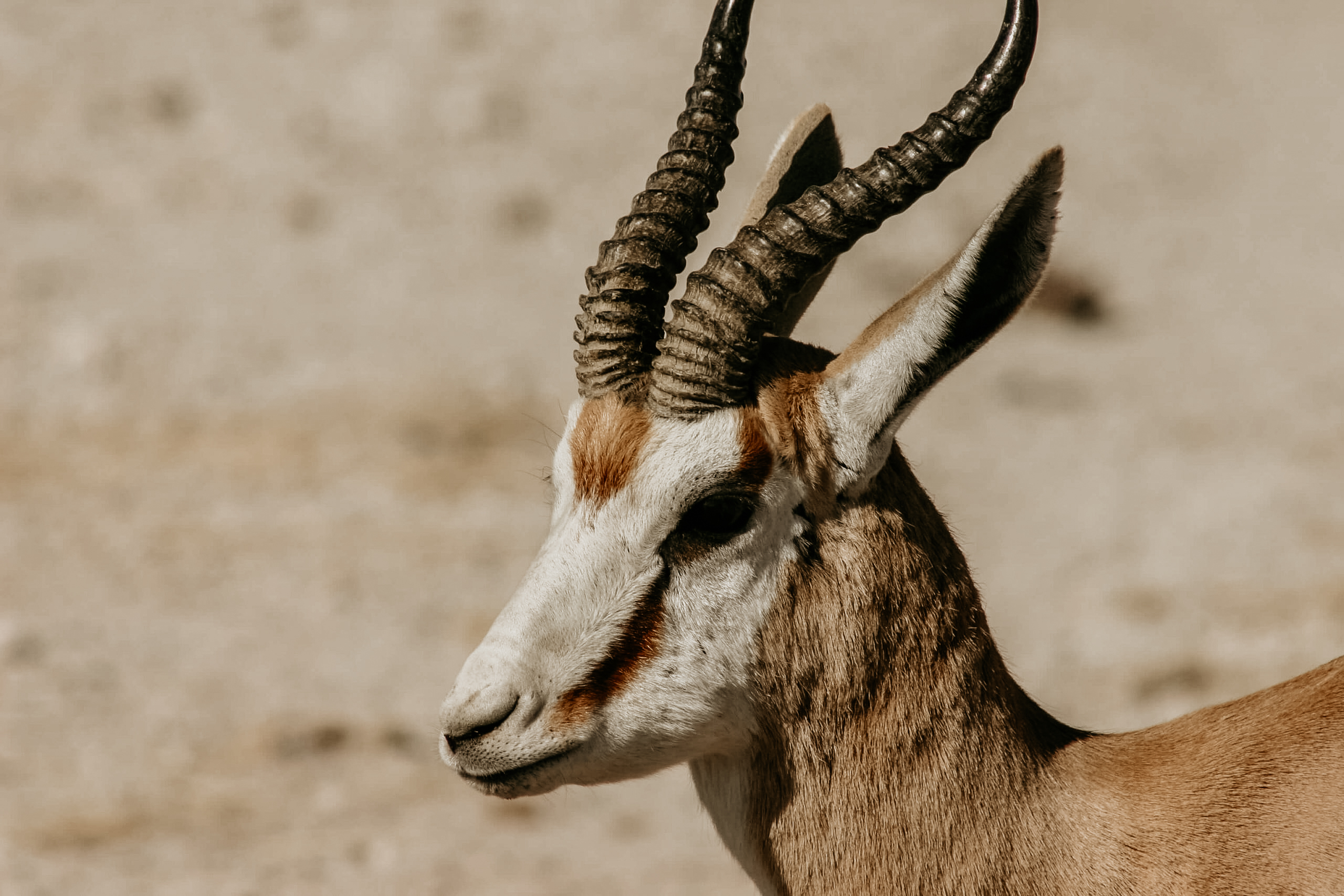
The springbok is a medium-sized antelope native to southern Africa. It is known for its characteristic high jumps, known as “pronking” or “stotting”. Springbok often live in large herds across savannahs and semi-desert landscapes and feed mainly on grasses and other vegetation.
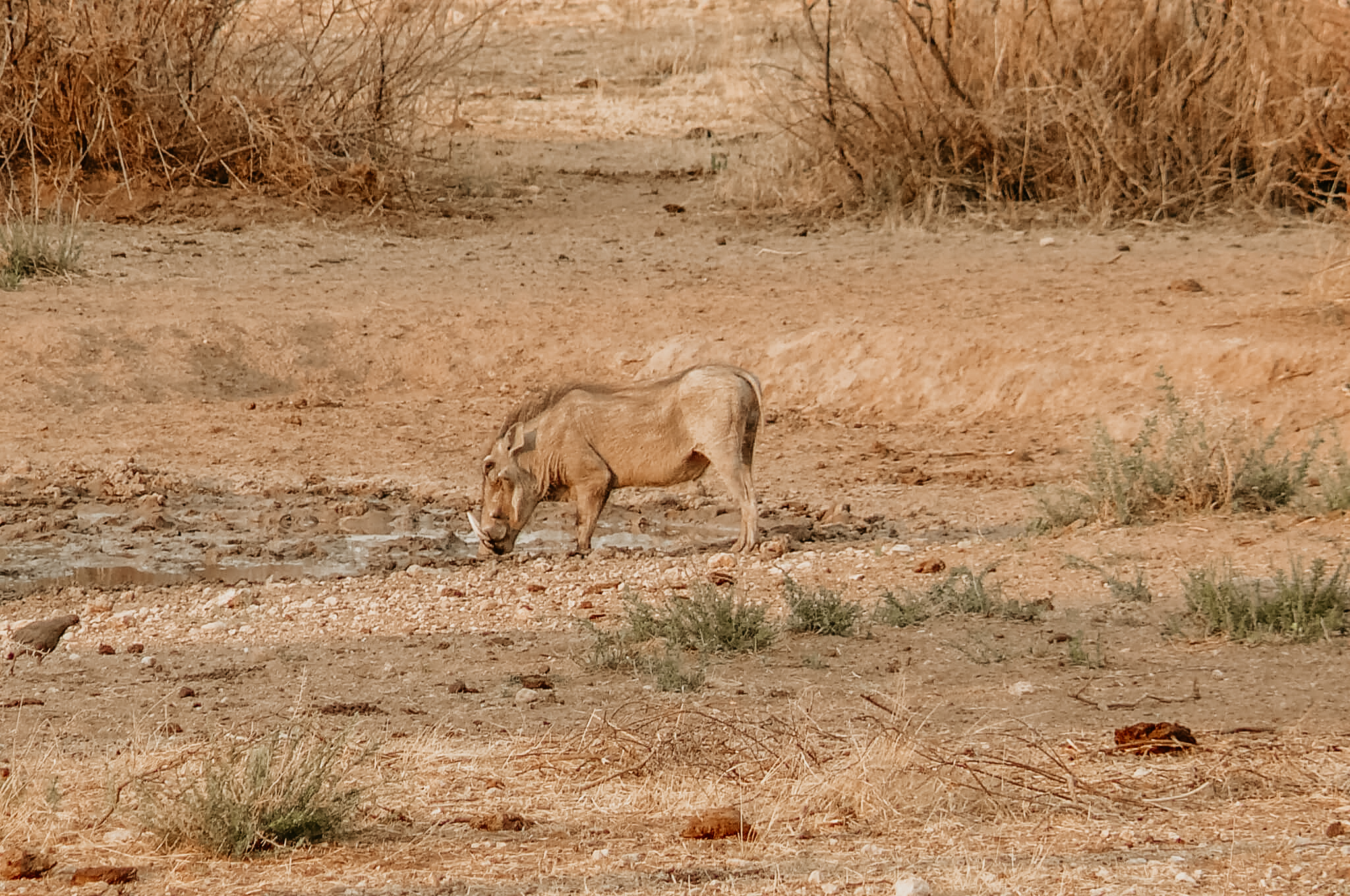
The warthog is a wild pig native to Africa. It is recognisable by its large head, curved tusks and distinctive facial “warts”. Warthogs inhabit savannahs and open landscapes and feed mainly on grasses, roots and other vegetation.
Lorem ipsum dolor sit amet, for consetetur sadipscing elitr