Our story began in 1910 in what is now Namibia, which at the time was a German colony. In the Kalahari, Hans Lühl laid the foundations under challenging conditions – driven by a pioneering spirit, hard work and a life lived in harmony with nature.
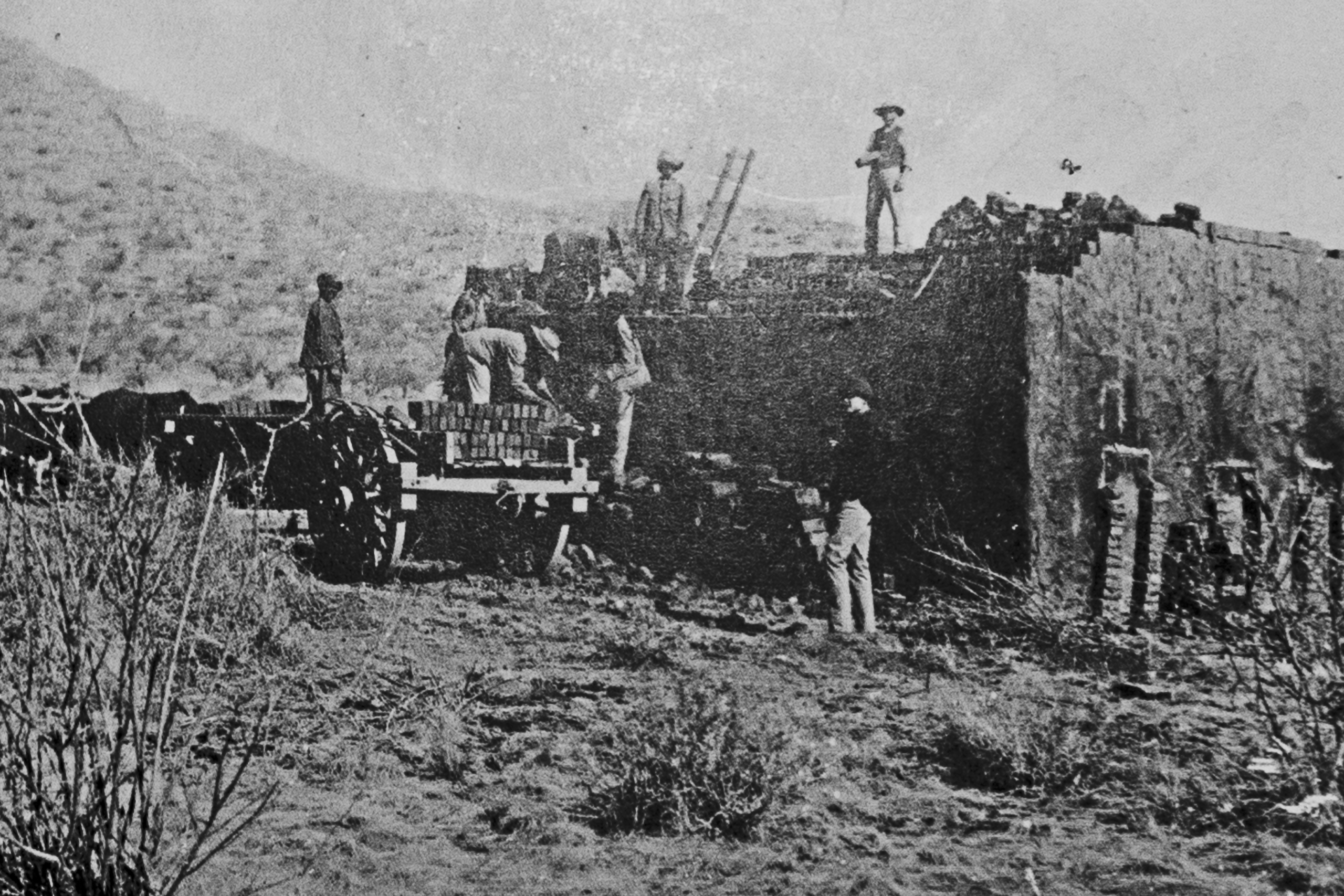
With simple means and a great deal of hard work, the first farmhouse was built in the Kalahari. Stone by stone, the foundations for a lasting home were laid – built for generations to come.
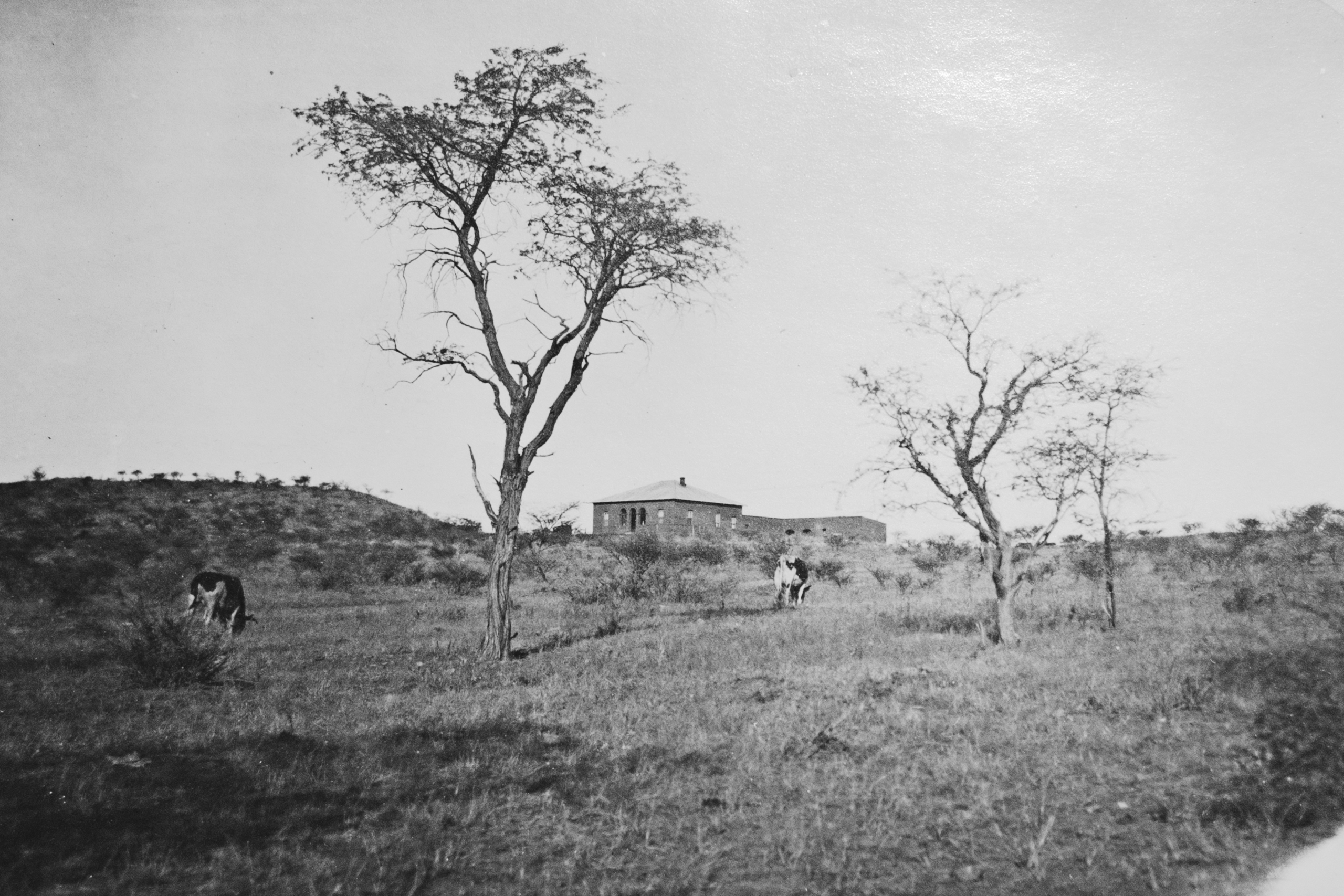
After years of hard work, the farmhouse in the Kalahari was finally completed. Surrounded by the vast landscape, a lasting home had been created – simple, enduring and ready for generations to come.
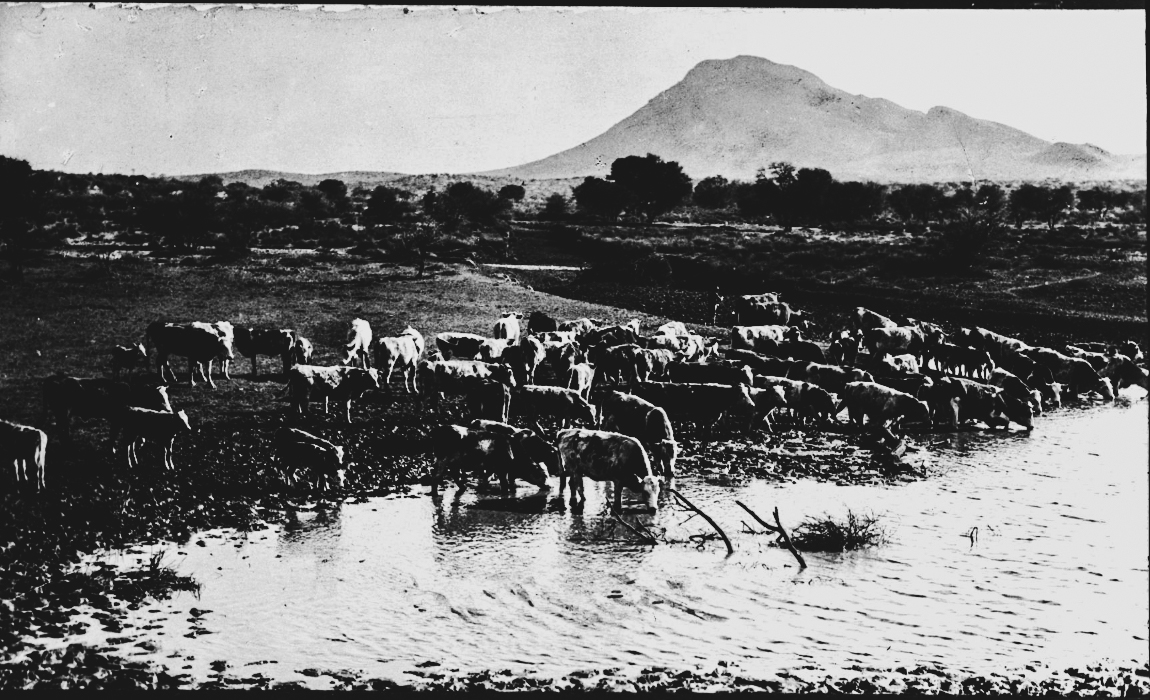
One year after the farmhouse was completed, cattle farming began in the Kalahari. It became an important source of livelihood and has shaped life on the farm ever since.
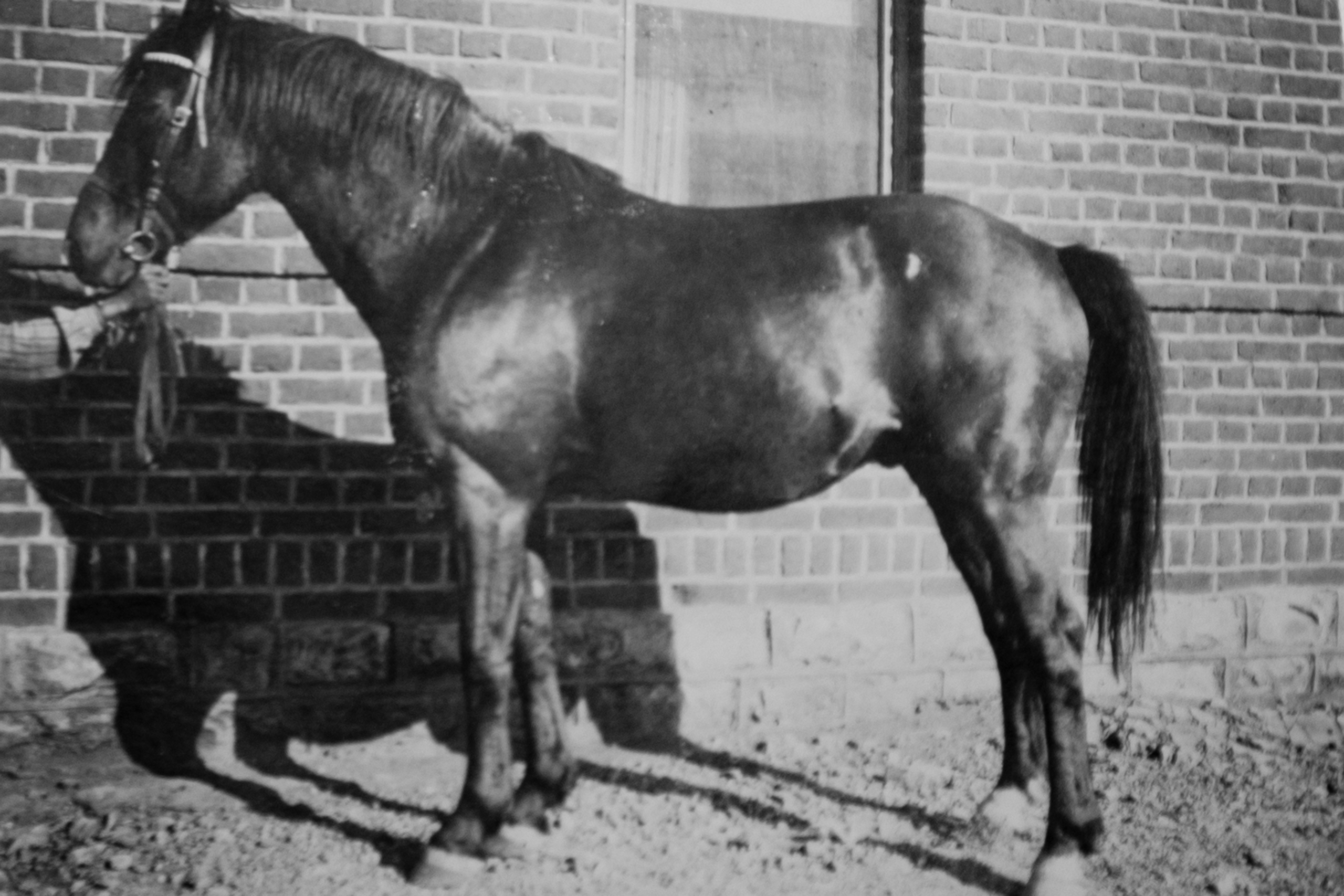
Horse breeding in the Kalahari began as early as 1911. The horses were raised under demanding conditions and came to represent quality, endurance and a close connection to the era in which the farm was established.
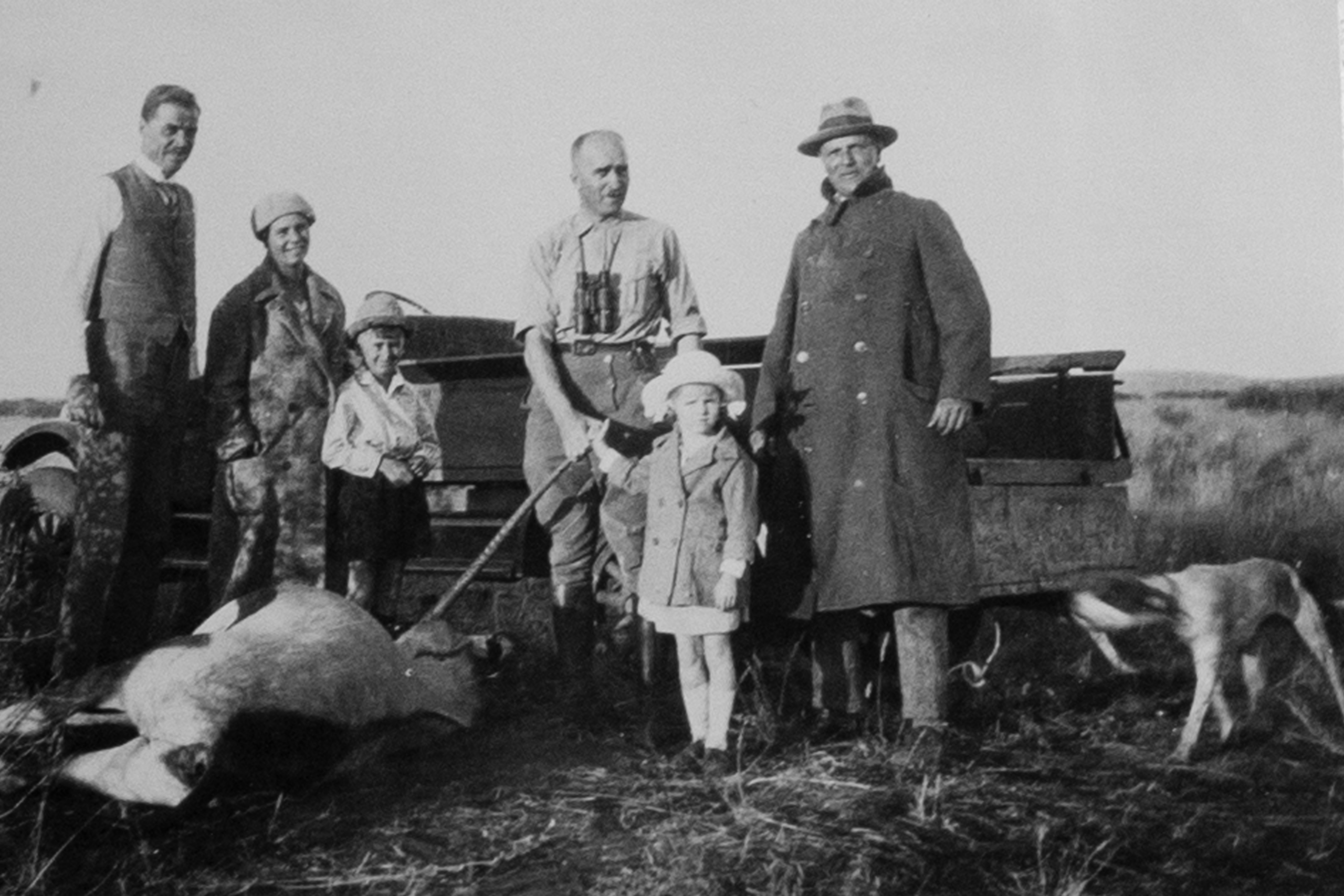
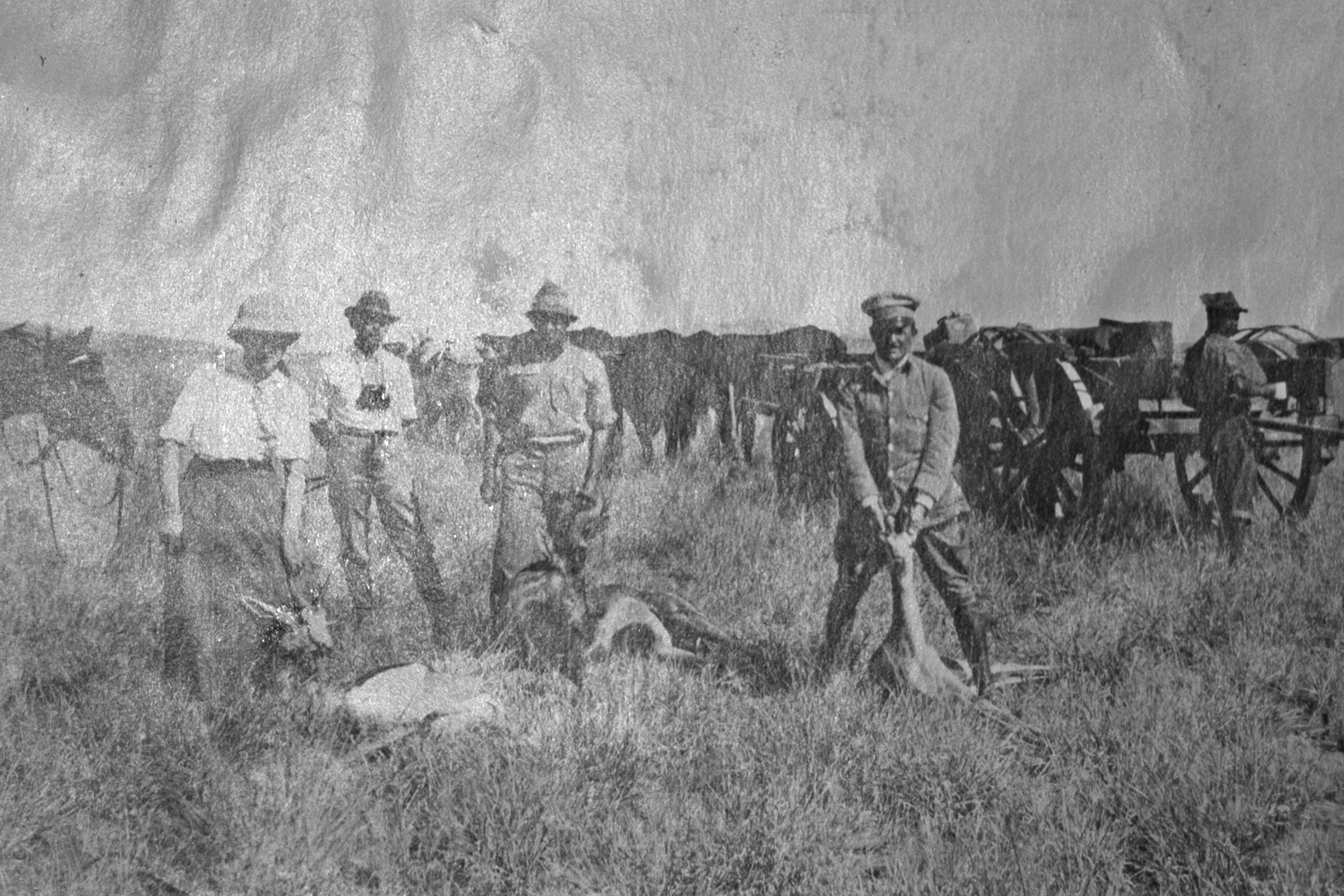
From 1915 onwards, the farm in the Kalahari welcomed its first hunting guests. This marked the beginning of a new tradition of hospitality that remains an important part of our history to this day.
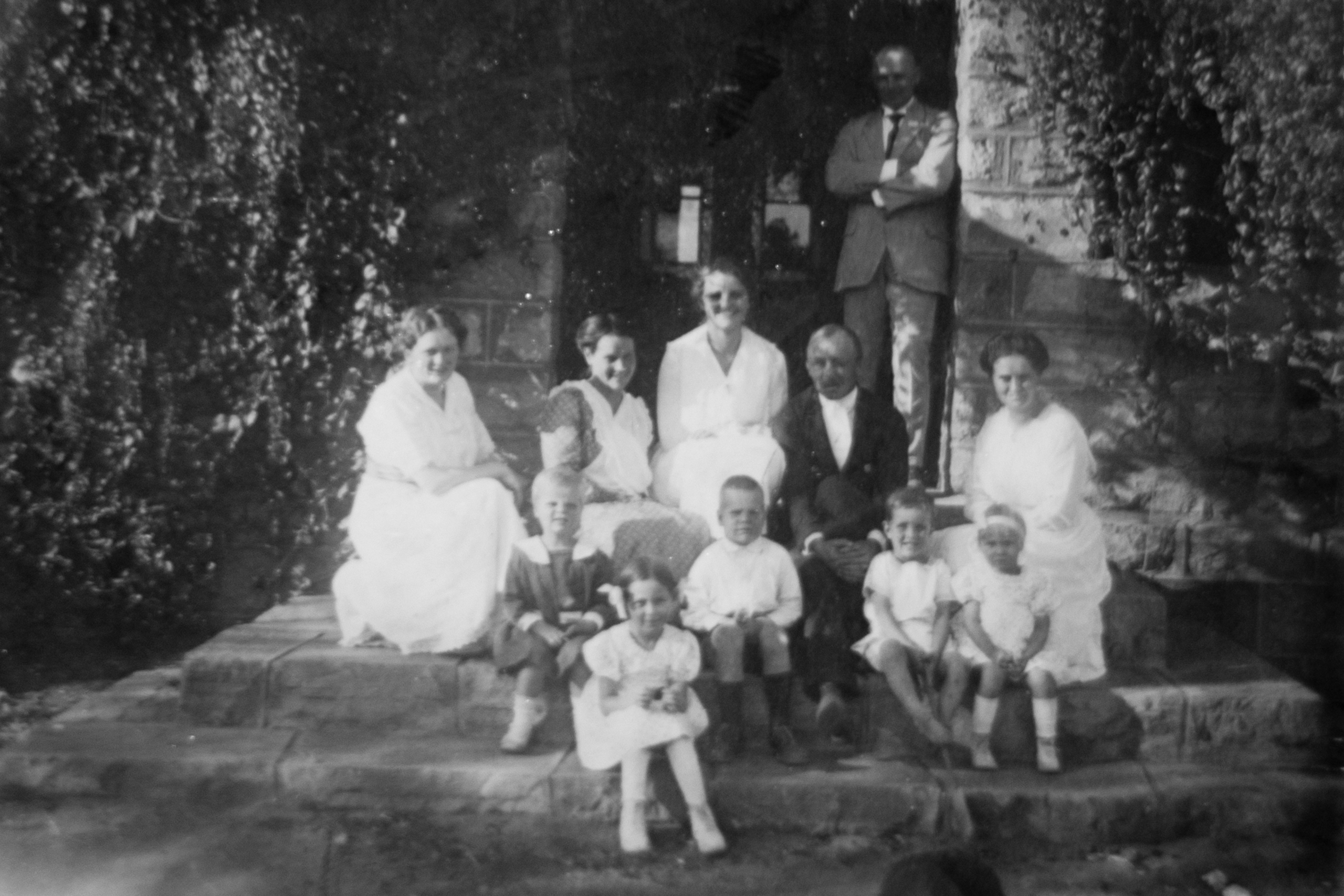
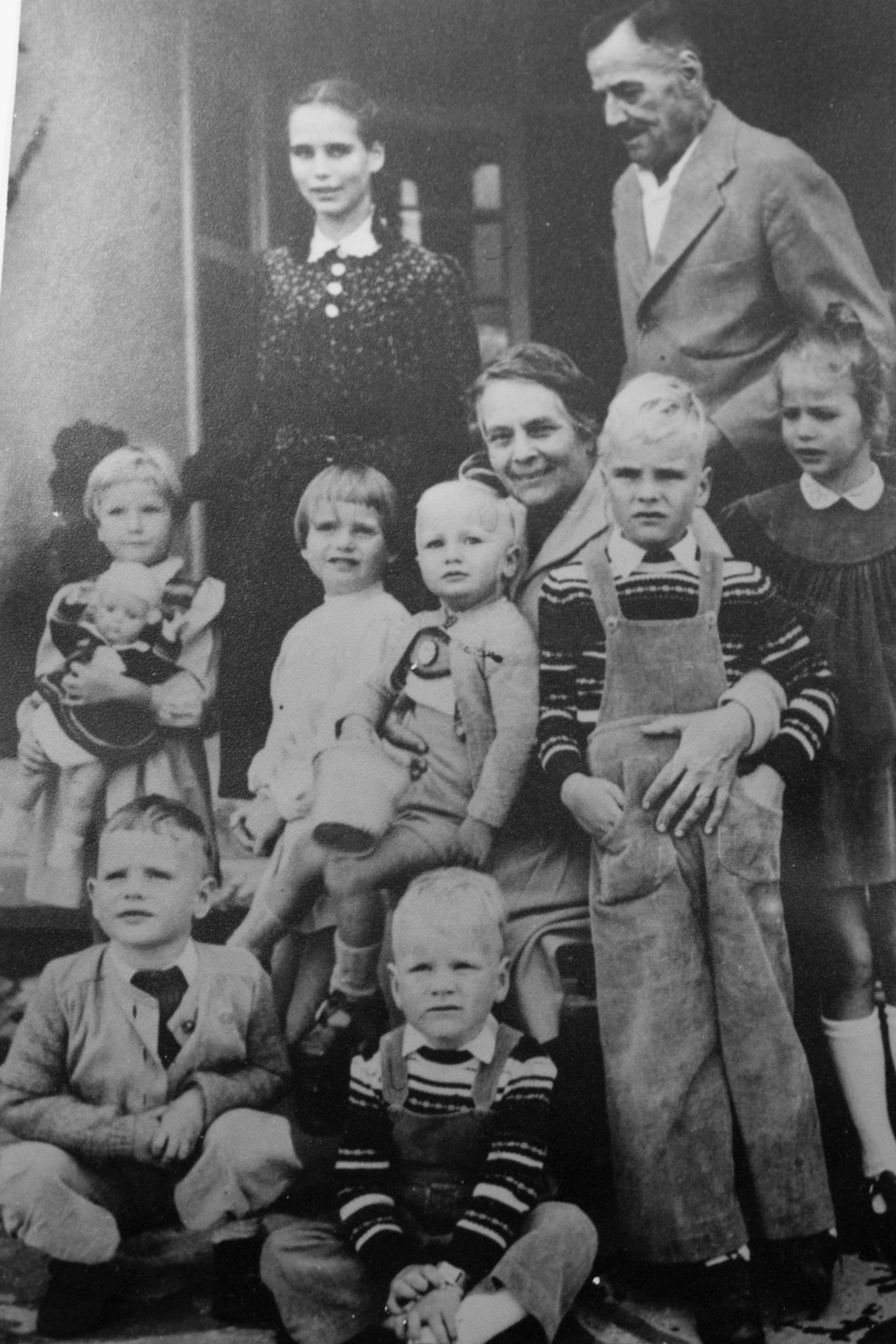
The next generation grew up on the farm: the family’s first children experienced life on the farm from the very beginning. Surrounded by vast open spaces, hard work and nature, they developed an early connection to the Kalahari and continued the family’s story. Hans Jochen Lühl (1914), Hilda (1915), Hans Richard (1919), Erika (1920) and Hannelore (1922). In 1953, the farm was handed over to Hans Jochen Lühl, marking the beginning of the next chapter in the farm’s history.
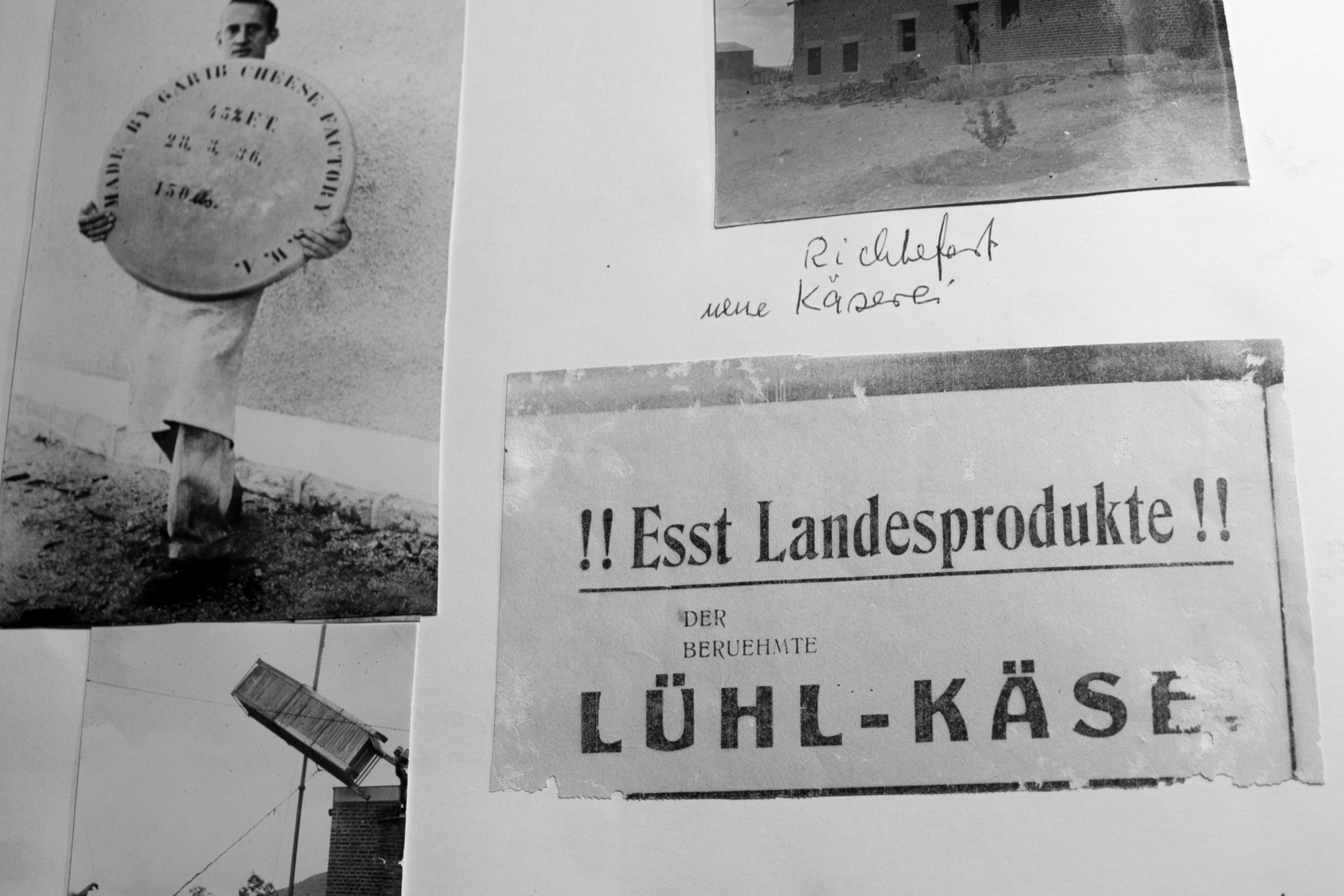
With the construction of the dairy in 1934, a new chapter began on the farm in the Kalahari. Using milk from their own production, the “Lühl Cheese” was created, successfully marketed and became a symbol of regional quality.
The third generation grows up – still as children, but already an integral part of farm life. Together with the second generation, they experience everyday life in the Kalahari and gradually carry the established traditions forward. In 1983, the farm was handed over by Hans Jochen Lühl to his sons, marking the beginning of the next chapter in Farm Garib’s history.
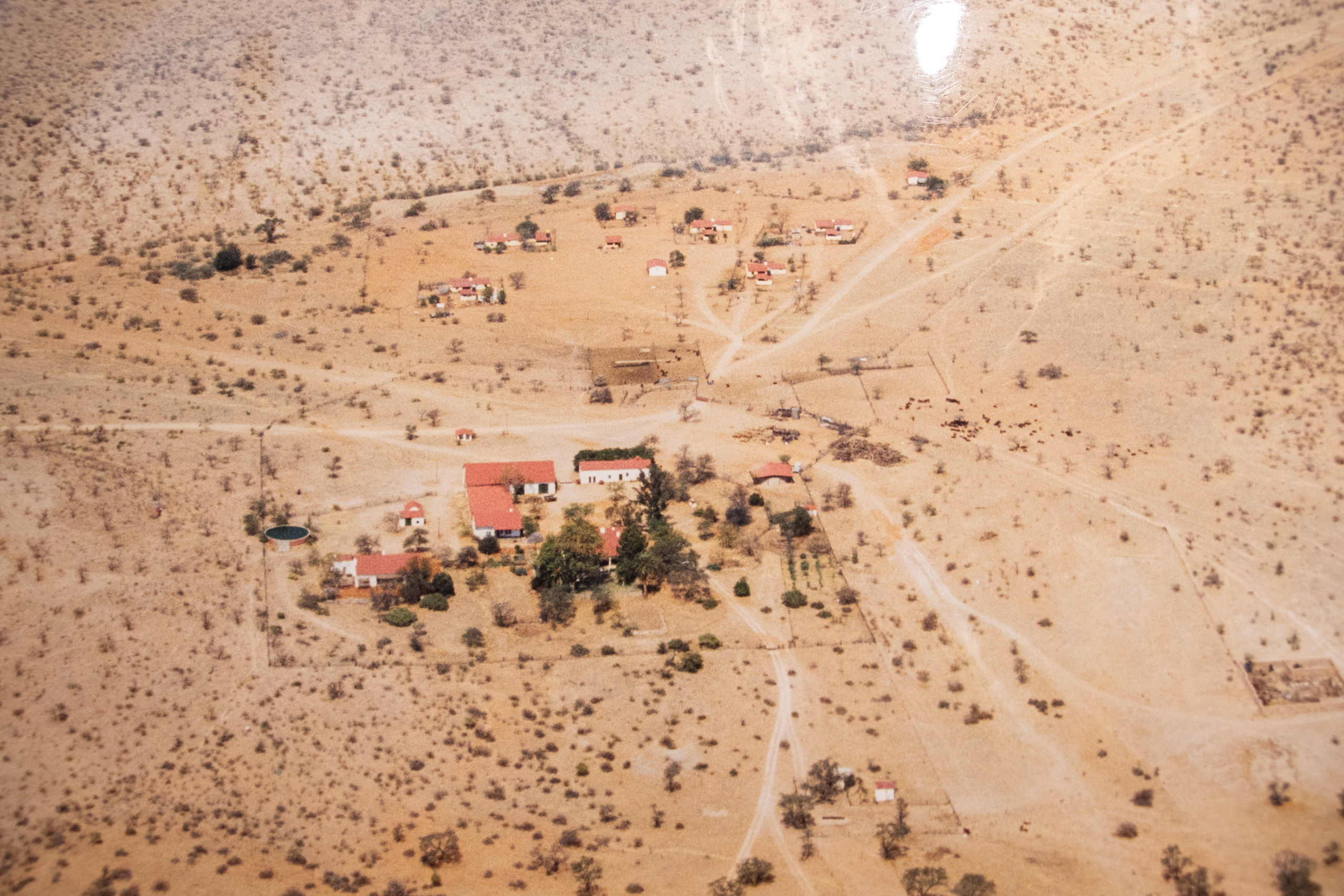
An aerial photograph from 1988 shows the established farm in the Kalahari. Over generations, the original beginnings had grown into a large-scale operation – visible in its full size and structure.
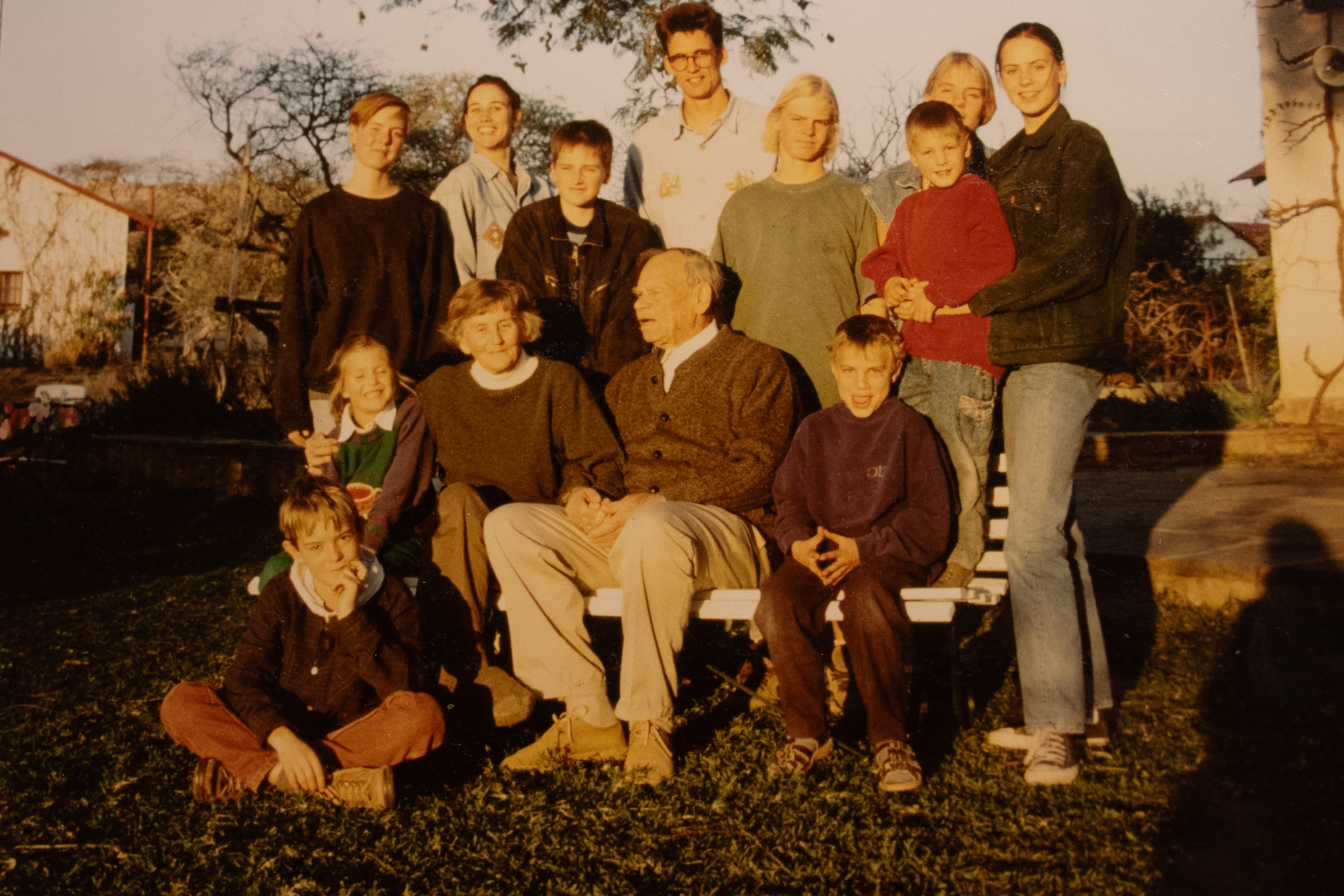
The fourth generation emerges in their youth. Together with the third generation, they gradually take on more responsibility and help shape the future of the farm in the Kalahari.
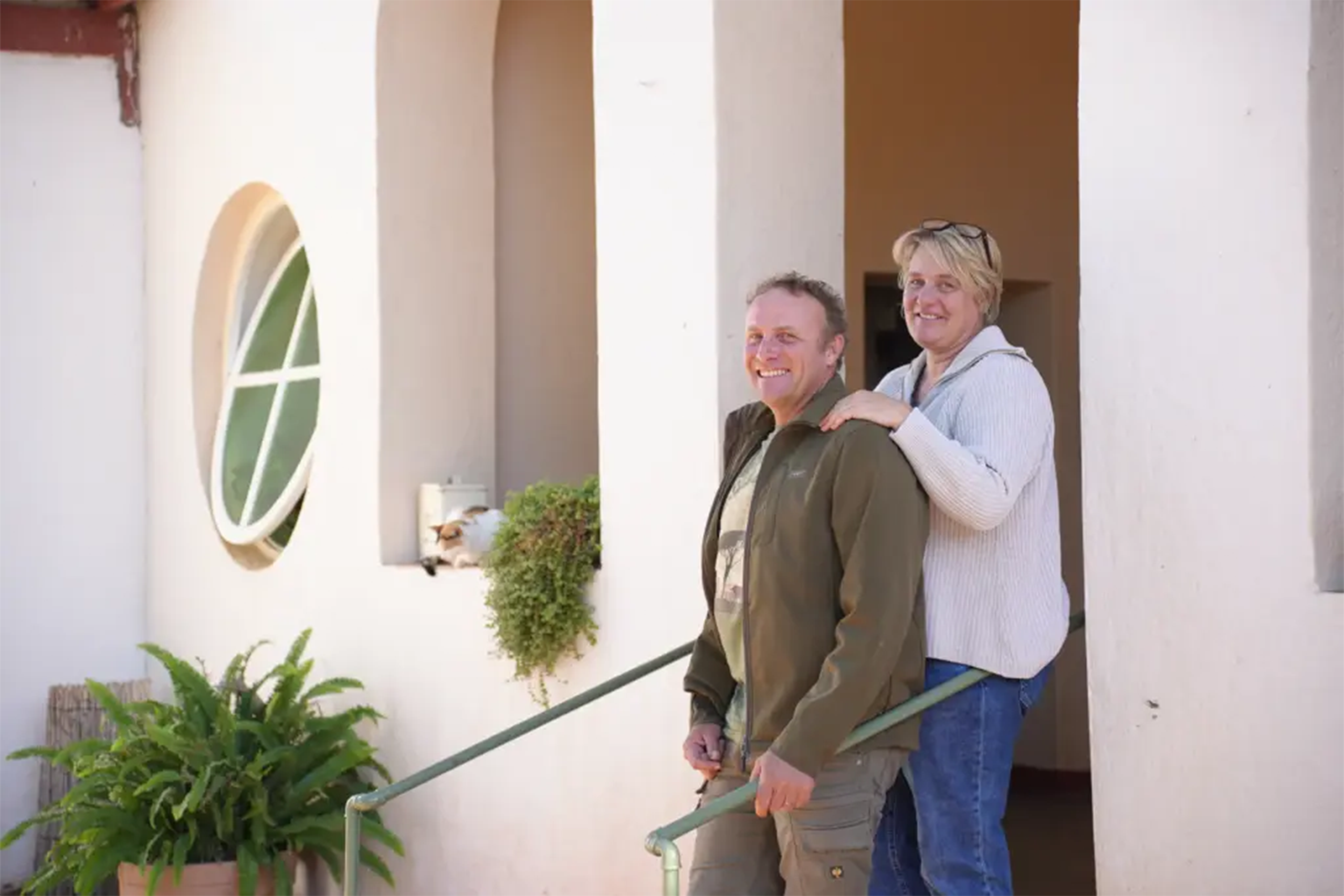
The fourth generation, Jule Hess, née Lühl, took over responsibility for the farm together with her husband, Sigurd Hess. With great dedication, they continue the family tradition while developing the farm in a modern and forward-looking way. Under their leadership, cattle farming, charcoal production and hunting remain central parts of the operation, while their two children are already growing up as part of farm life – the next generation in a long family history.

To this day, Farm Garib has been passed down from generation to generation. Cattle farming, charcoal production and hunting remain integral parts of the operation – built on experience, responsibility and a clear vision for the future.
Lorem ipsum dolor sit amet, for consetetur sadipscing elitr